
Traction Alopecia Hair Regrowth: Treatment, Recovery Time & Cost in Mumbai

Hair Botox Treatment: Cost, Benefits, Results & Side Effects Explained
March 31, 2026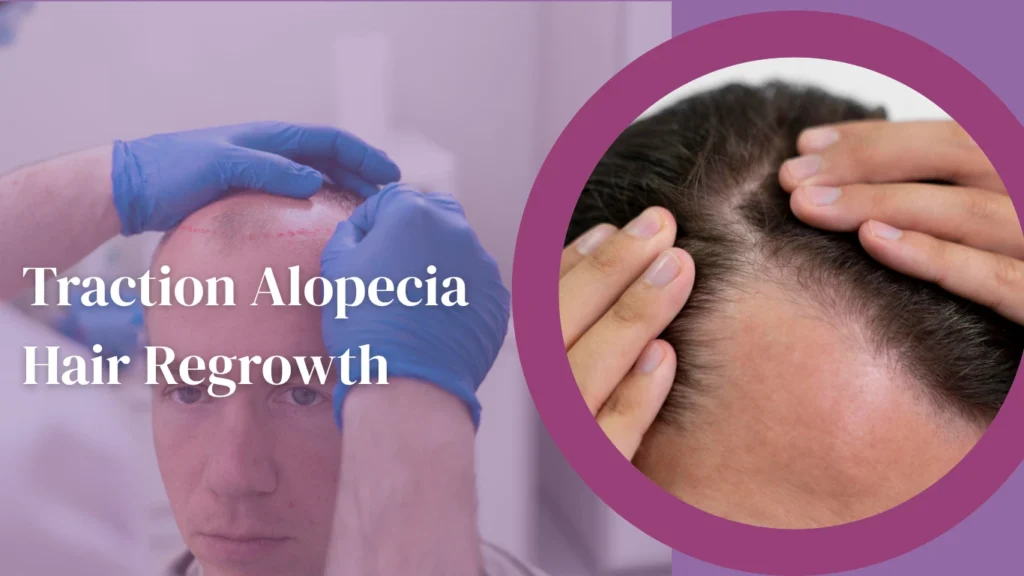
Can hair regrow after traction alopecia? Yes — but only if treated early. If ignored for too long, hair loss can become permanent.
Traction alopecia is caused by continuous pulling on the hair due to tight hairstyles like braids, ponytails, or extensions. According to dermatology research, early-stage traction alopecia is reversible, but long-term damage can destroy hair follicles permanently.
Get Personalized Hair Regrowth Plan
Talk to our expert & know the best treatment for your condition
What is Traction Alopecia?
Traction alopecia is a type of hair loss caused by repeated tension on hair roots. It commonly affects the front hairline and temples.
- Tight hairstyles (braids, buns, ponytails)
- Hair extensions or wigs
- Frequent styling or pulling
Who is at Risk of Traction Alopecia & How Hairstyles Affect Hair Health
A sleek ponytail, cornrows, tightly pulled updo, or even certain head coverings can help you express your personal style and feel confident. However, while these hairstyles may look neat and fashionable, they can silently damage your hair over time. Continuous pulling on the hair roots puts stress on the scalp, which may eventually lead to hair loss.
The medical term for this condition is traction alopecia. It typically starts with mild symptoms but can progress into permanent hair loss if not addressed early.
Your hairline is often the first place where signs become visible. You may notice thinning around the temples or forehead, broken hair strands, or a gradually receding hairline. In some cases, hair thinning can also occur at the crown depending on the styling pattern.
Anyone who frequently wears tight hairstyles or applies repeated tension to their scalp can develop traction alopecia. However, some individuals are more prone than others due to cultural, professional, or lifestyle factors.
For example, traction alopecia is more commonly seen in women of African descent due to hair structure and common styling practices like braids, cornrows, and weaves. Similarly, ballet dancers, athletes, and military personnel who are required to keep their hair tightly pulled back are also at higher risk.
Hairstyles That Can Cause Traction Alopecia
When worn too tightly or for prolonged periods, the following hairstyles can significantly increase the risk:
- Cornrows
- Locs (dreadlocks)
- Tightly braided hair
- Buns, ponytails, and tight updos
- Hair extensions and weaves (especially with glue or tight braiding)
- Rollers worn overnight frequently
In addition to hairstyles, constant friction from hats, helmets, or headscarves can also contribute to hair damage—especially when hair is tightly pulled underneath these coverings.
Children are not immune to this condition either. Tight hairstyles at a young age, such as tight braids or buns for school or dance, can begin damaging hair follicles early in life.
How to Prevent Hair Loss from Hairstyles
Dermatologists strongly recommend making small changes to your hairstyling habits to protect your hair and prevent long-term damage.
- Avoid tight hairstyles frequently: It’s okay occasionally, but not daily.
- Loosen your hairstyle: Especially around the hairline where damage starts first.
- Choose thicker braids: They reduce tension on individual follicles.
- Keep hairstyles shorter: Longer hair adds weight and increases pulling force.
- Limit duration: Avoid keeping braids or locs for more than 6–8 weeks.
If you use weaves or extensions, follow these precautions:
- Wear them for shorter durations
- Remove immediately if you feel pain or irritation
- Prefer sewn-in weaves instead of glued ones
- Ensure your base braids (cornrows) are not too tight
It is also important to give your hair regular breaks. Switching to loose hairstyles or natural hair for a few weeks allows your scalp to recover from continuous stress.
Early Warning Signs You Should Not Ignore
Recognizing early symptoms can help prevent permanent damage. Watch out for:
- Pain or tightness after styling
- Stinging or tenderness on the scalp
- Small bumps or crust formation
- Broken hairs near the forehead
- Gradual receding hairline
If you continue pulling your hair despite these warning signs, the follicles may become permanently damaged. At this stage, hair stops growing completely, and the scalp may appear smooth and shiny.
Can Traction Alopecia Be Reversed?
In the early stages, traction alopecia is often reversible if the source of tension is removed. However, the longer the condition persists, the higher the risk of permanent hair loss.
Consulting a qualified dermatologist at the right time is crucial. They can diagnose the condition and recommend suitable treatments such as medications, topical solutions, or advanced procedures.
If lifestyle changes alone are not enough, medical treatments may include:
- Topical Minoxidil for hair regrowth
- Corticosteroid injections to reduce inflammation
- Antibiotics if scalp infection is present
In advanced cases where hair follicles are permanently damaged, procedures like hair transplant may be recommended to restore hair density and natural hairline.
Important Tip: If your hairstyle feels painful, it is too tight. Immediate correction can prevent long-term damage.
Remember, hair loss can have multiple causes including stress, hormonal imbalance, and genetics. That’s why early diagnosis and proper guidance are essential for effective treatment.
Can Hair Regrow After Traction Alopecia?
Yes, hair regrowth is possible — but it depends on the stage:
- Early Stage: Hair can fully regrow if tension is stopped
- Moderate Stage: Partial regrowth with treatments
- Late Stage: Permanent hair loss (needs transplant)
Hair Regrowth Timeline
| Time | Expected Results |
|---|---|
| 1–3 Months | Baby hair growth starts |
| 3–6 Months | Visible improvement |
| 6–12 Months | Full regrowth (if reversible) |
Best Treatments for Traction Alopecia
1. PRP Hair Treatment
PRP (Platelet-Rich Plasma) helps stimulate hair follicles and improve regrowth.
Read more:
PRP Hair Treatment Cost in Mumbai
2. Medications
- Minoxidil
- Hair growth serums
- Anti-inflammatory treatments
3. Hair Transplant
In permanent cases, hair transplant is the most effective solution.
Explore:
Hair Transplant Cost in Mumbai
PRP vs Hair Transplant: Which is Better?
| Factor | PRP | Hair Transplant |
|---|---|---|
| Best For | Early stage | Permanent hair loss |
| Downtime | Minimal | Moderate |
| Results | Gradual | Permanent |
Treatment Cost in Mumbai
| Treatment | Cost |
|---|---|
| PRP | ₹5,000 – ₹15,000/session |
| Medications | ₹1,000 – ₹3,000/month |
| Hair Transplant | ₹50,000 – ₹2,00,000+ |
When Hair Will NOT Grow Back
If hair follicles are permanently damaged due to long-term tension, regrowth may not occur. In such cases, surgical options like hair transplant are recommended.
Prevention Tips
- Avoid tight hairstyles
- Limit use of extensions
- Switch to loose styling
- Consult early
FAQs
Can traction alopecia be reversed?
Yes, in early stages it is reversible with proper treatment.
How long does regrowth take?
It can take 3 to 12 months depending on severity.
Is PRP effective?
Yes, PRP is effective in early and moderate cases.
When is hair transplant needed?
When hair follicles are permanently damaged.
