
Diffuse Hair Thinning: Common Causes and How to Evaluate
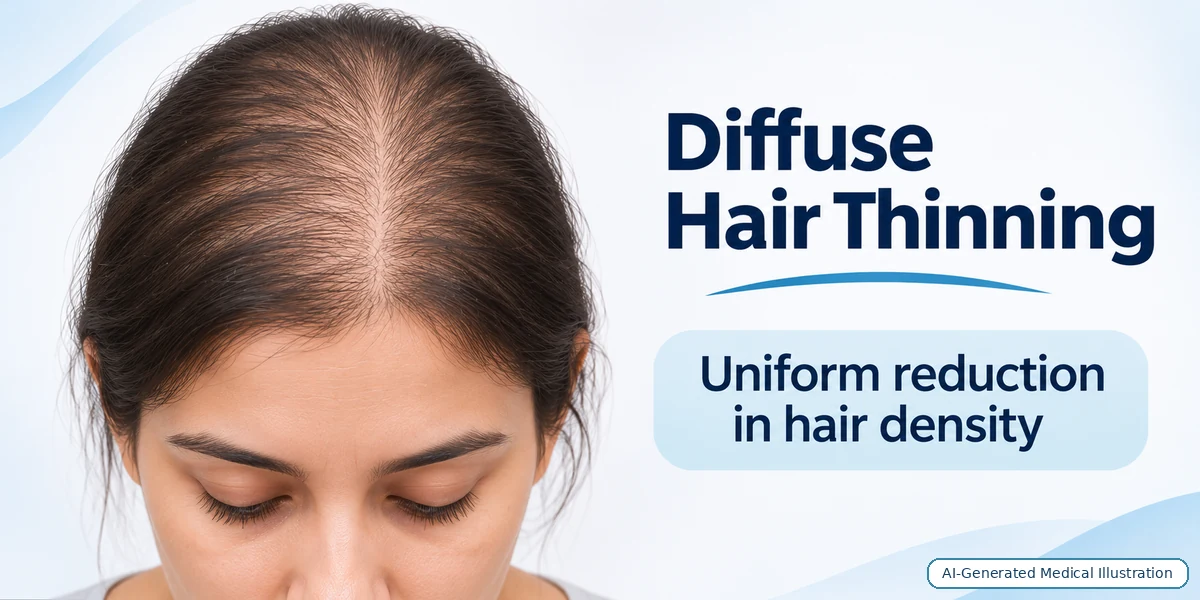
Diffuse hair thinning across the scalp can result from a range of factors, from temporary shedding to underlying medical conditions. The most frequent culprits include telogen effluvium, female‑pattern hair loss, systemic disease, and medication side‑effects. Identifying the cause requires a structured hair consultation that gathers history, examines scalp health, and may involve targeted tests to rule out red‑flag conditions.
What Is Diffuse Hair Thinning?
Diffuse hair thinning describes a uniform reduction in hair density over the entire scalp rather than isolated patches. It is often noticed as increased shedding or a visibly thinner ponytail. Unlike focal balding, the pattern is non‑localized, making the underlying cause harder to spot without a systematic assessment.
What Causes Diffuse Hair Thinning?
Several mechanisms can trigger diffuse thinning:
- Telogen effluvium: A stress‑related shift of hairs into the telogen (resting) phase, typically occurring 2–4 months after a trigger such as illness, surgery, or severe emotional stress.
- Female‑pattern hair loss (androgenetic alopecia): A progressive miniaturisation of follicles that can present as diffuse thinning, especially over the crown.
- Systemic disease: Thyroid disorders, iron‑deficiency anemia, and autoimmune conditions can impair hair growth cycles.
- Medications and nutritional deficiencies: Certain drugs (e.g., anticoagulants, retinoids) and lack of protein, zinc, or vitamin D may contribute.
- Scalp disorders: Chronic inflammation, seborrheic dermatitis, or fungal infection can weaken follicles.
Red‑flag signs that merit urgent evaluation include rapid hair loss, accompanying scalp pain, itching, or systemic symptoms such as weight change or fatigue.
Who May Need a Hair Consultation?
Anyone noticing a change in hair volume, especially women over 25, individuals with recent major stressors, or patients with known endocrine or autoimmune disorders should consider a professional assessment. Stylists trained in scalp literacy can also act as community health partners, helping to flag early signs of alopecia pilot survey study.
How Does a Hair Consultation Work?

A comprehensive consultation follows six stages: intake, conversation, observation, documentation, summary, and follow‑up scalp literacy guide. The practitioner records medical history, medication use, diet, and hair‑care routines. Visual examination may include trichoscopy—a dermatoscopic magnified view—to assess follicle health, miniaturisation, and scalp inflammation.
What Do Findings Mean?
Key findings guide the differential diagnosis:
- Increased telogen hairs on pull test suggests telogen effluvium.
- Miniaturised vellus‑like hairs indicate androgenetic alopecia.
- Scalp erythema or scaling points to inflammatory or infectious processes.
Laboratory tests (e.g., thyroid panel, ferritin, complete blood count) are ordered when systemic disease is suspected, aligning with guidance on hair‑loss blood work Hair Loss Blood Tests.
Benefits and Limitations
Benefits of a structured consultation include early detection of reversible causes, personalized treatment planning, and reduced anxiety through education. Limitations arise when findings are non‑specific; some conditions (e.g., early telogen effluvium) may resolve spontaneously, making it difficult to attribute causality without longitudinal follow‑up.
Risks or Possible Complications
The consultation itself carries minimal risk. However, inappropriate use of over‑the‑counter treatments without proper diagnosis can exacerbate scalp irritation or mask underlying disease. Clinicians should caution against unverified “miracle” products.
Follow‑Up and Monitoring
Patients are typically re‑evaluated after 3–6 months to assess response to interventions such as iron supplementation, stress management, or topical minoxidil. Repeat trichoscopy can document changes in follicle calibre and shedding rates.
When to Seek Medical Advice
Seek prompt medical evaluation if you experience any of the following: rapid or patchy hair loss, scalp pain or severe itching, signs of infection, unexplained weight loss, or systemic symptoms like fatigue or menstrual irregularities. Early referral to a dermatologist or trichologist can prevent permanent follicle loss.
Medical References
Scalp Smart Pro – observation and consultation guidelines
Hair & Scalp Diagnostic Consultations – clinical workflow
Frequently Asked Questions
1. What is the difference between telogen effluvium and female-pattern hair loss?
Telogen effluvium is a temporary shedding phase triggered by stress or illness, whereas female-pattern hair loss is a chronic miniaturisation of follicles driven by genetics and hormones.
2. Can nutritional deficiencies cause diffuse thinning?
Yes, low iron, zinc, vitamin D, or protein intake can disrupt the hair growth cycle and lead to diffuse shedding.
3. How long does telogen effluvium usually last?
Typical episodes resolve within 6–12 months once the underlying trigger is addressed, though recovery time can vary.
4. When should I be concerned about scalp inflammation?
Persistent redness, scaling, itching, or pain may indicate an inflammatory or infectious condition that requires medical treatment.
5. Do hair stylists have a role in detecting hair loss?
Trained stylists can observe early changes, ask relevant questions, and refer clients for professional evaluation, acting as community health partners.
6. Is a blood test always needed for diffuse thinning?
Blood tests are recommended when systemic causes are suspected, such as thyroid disease or anemia, but are not required for every case.
7. Can over-the-counter products fix diffuse hair thinning?
OTC products may help some individuals, but without a clear diagnosis they can mask symptoms or cause irritation; professional guidance is advisable.
Conclusion
Diffuse hair thinning is a multifactorial condition that often reflects systemic health, stress, or genetic predisposition. A thorough hair consultation—combining detailed history, scalp examination, and targeted testing—helps differentiate reversible causes from progressive alopecia, guiding appropriate management and timely referral when red‑flag signs appear.
Medical Disclaimer
This article is intended for general educational purposes only and does not replace individual medical advice, diagnosis or treatment. Suitability, risks and outcomes vary. Consult a qualified healthcare professional for medical guidance specific to your situation.