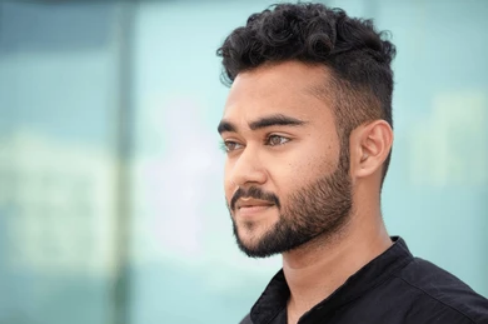
Beard Transplant in Navi Mumbai

Dr. Vinod Vij is a Plastic and Cosmetic Surgeon practising at Clinique Aesthetica in Navi Mumbai. His clinical practice includes beard hair transplantation, subject to individual assessment.
Beard transplantation planning considers the patient’s facial hair growth pattern, donor hair availability, recipient area, hair characteristics and estimated number of grafts required.
Beard transplantation may be considered for individuals with naturally sparse facial hair, patchy beard growth or selected areas of hair loss caused by scarring. Suitability depends on clinical findings, donor hair quality and potential risks, including scarring, infection, graft failure and uneven hair growth.
For information about other causes of hair thinning and available treatments, read our Hair Loss Treatment in Navi Mumbai guide.
What Is a Beard Transplant?
A beard transplant is a form of hair transplantation in which hair follicles are transferred from a suitable donor area to selected regions of the beard or moustache.
The procedure may be considered to address:
– Low beard density
– Patchy beard growth
– Limited moustache growth
– Sparse sideburns
– Reduced hair growth on the chin
– Sparse hair along the jawline
– Patchy hair growth on the cheeks
– Selected areas of facial hair loss caused by scarring
Beard transplantation requires careful planning because facial hair grows at specific angles and directions.
The procedure involves assessing donor hair availability, estimating the number of grafts required and positioning follicles according to the natural facial hair growth pattern.
Treatment suitability and outcomes depend on individual hair characteristics, skin condition, donor hair availability and clinical assessment. Potential risks include infection, scarring, graft failure and uneven hair growth.
Understanding Beard Transplantation
Learn about the procedure, potential benefits, limitations, recovery requirements and factors that may influence treatment outcomes.
Are you considering a beard transplant? Let’s explore its advantages and how it can enhance your appearance.
Benefits of Beard Transplant
Potential Benefits and Considerations of Beard Transplantation
Potential Improvement in Beard Density: Beard transplantation may increase hair coverage in selected areas, depending on donor hair availability and graft survival.
Facial Hair Growth Pattern: Transplanted follicles are positioned according to the direction and angle of existing facial hair. The final appearance varies between individuals.
Long-Term Treatment Considerations: Successfully transplanted follicles may continue producing hair over time. However, graft survival, hair growth and long-term outcomes cannot be guaranteed.
Individualised Treatment Planning: The procedure is planned according to facial anatomy, existing hair growth patterns, donor hair characteristics and individual treatment requirements.
Treatment Suitability and Limitations: Beard transplantation is not appropriate for everyone. Possible risks include infection, scarring, uneven hair growth and graft failure.
Beard Transplant Techniques and Clinical Considerations
Follicular Unit Extraction (FUE)
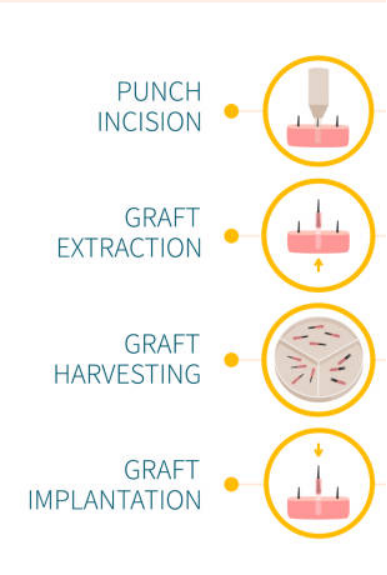
Follicular Unit Extraction (FUE) is a hair transplantation technique in which individual follicular units are extracted from a suitable donor area, usually the back or sides of the scalp, and transplanted into the beard or moustache region.
The procedure creates small extraction sites that generally heal over time but may leave tiny scars. Follicular units are positioned according to the direction, angle and pattern of existing facial hair.
Possible risks include infection, scarring, graft failure and variations in hair density and growth.
Direct Hair Implantation (DHI)
Direct Hair Implantation (DHI) refers to a graft implantation approach that may involve a specialised implanter pen, such as a Choi implanter.
The technique allows follicular units to be placed at selected angles, directions and depths. However, DHI is not a separate follicular extraction method and does not guarantee improved graft survival, greater density or a particular appearance.
Treatment suitability depends on donor hair characteristics, facial anatomy and individual clinical assessment.
Body Hair Transplantation
In selected cases where suitable scalp donor hair is limited, follicles from other body areas, such as the chest or back, may be considered for beard transplantation.
Individual follicular units may be extracted using FUE and implanted into selected facial areas using an appropriate implantation technique.
Body hair may differ from facial hair in thickness, texture and growth characteristics. These differences can influence graft suitability, final appearance and treatment outcomes.
Potential risks include scarring, infection, graft failure and uneven hair growth.
Choosing an Appropriate Technique
The choice of beard transplantation technique depends on donor hair availability, facial hair distribution, scalp and skin condition, individual requirements and clinical assessment. No particular technique guarantees a specific cosmetic outcome.
Learn about available techniques, treatment suitability, potential risks and recovery requirements.
Beard Transplant Procedure: Step-by-Step Guide
Step 1 – Consultation and Clinical Assessment:
A consultation involves reviewing medical history, examining facial hair growth patterns, assessing donor hair availability and discussing treatment suitability. For information about the doctor’s qualifications and clinical practice, visit the About Dr. Vinod Vij page.
Step 2 – Preparation:
Before the procedure, the donor and recipient areas are assessed and prepared. Hair in the donor area, commonly at the back of the scalp, may be trimmed. Local anaesthesia is administered to reduce discomfort during the procedure.
Step 3 – Follicular Unit Extraction:
Suitable follicular units are extracted from the donor area using Follicular Unit Extraction (FUE) or another clinically appropriate harvesting technique. The choice depends on donor hair characteristics and the patient’s treatment requirements.
Step 4 – Graft Implantation:
The extracted follicular units are implanted into selected areas of the beard or moustache. Placement considers facial anatomy, existing hair growth direction, angle and distribution. Implanter-assisted techniques may be used where appropriate.
Step 5 – Post-Procedure Care:
Patients receive instructions about donor and recipient area care, prescribed medicines, temporary activity restrictions and follow-up appointments. Recovery and hair growth vary between individuals.
Potential complications include swelling, infection, scarring, folliculitis, uneven hair growth and graft failure.
Ready to achieve a fuller, natural-looking beard? Schedule your consultation today to learn more about the process and determine if it's right for you.
Curious to know the beard transplant cost in Navi Mumbai? Find out more below.
Cost of Beard Transplant in Navi Mumbai
The estimated beard transplant cost in Navi Mumbai may range from ₹60,000 to ₹1,50,000 or more, depending on individual treatment requirements. This indicative range should be verified against current clinic charges.
The cost of beard transplantation may vary depending on several factors:
Number of Hair Grafts: The number of follicles required depends on existing facial hair coverage, donor hair availability and the area being treated.
Transplantation Technique: Different hair transplantation techniques may involve different procedural requirements and costs.
Procedure Complexity: The extent of transplantation, donor hair characteristics and individual clinical needs may affect the overall cost.
Clinic and Facility Charges: Costs may include surgical facility fees, local anaesthesia, medical supplies and procedure-related expenses.
Follow-Up Care: Medicines, postoperative instructions and follow-up consultations may be included or charged separately.
Beard Transplant Cost Assessment at Clinique Aesthetica
At Clinique Aesthetica in Navi Mumbai, the estimated cost of beard transplantation is determined following individual clinical assessment.
The cost may also depend on the patient’s hair loss pattern and donor hair availability. For related information, read about Hair Loss Treatment in Navi Mumbai.
Patients should receive information about the proposed procedure, estimated graft requirements, applicable charges and any additional costs before making a treatment decision.
For information about Dr. Vij’s medical qualifications and professional background, visit the About Dr. Vinod Vij page.
Beard Transplant Outcomes & Treatment Expectations
Beard transplant outcomes vary depending on donor hair quality, graft survival, facial hair characteristics, skin condition and individual healing. The density, direction and appearance of transplanted hair may differ between patients.
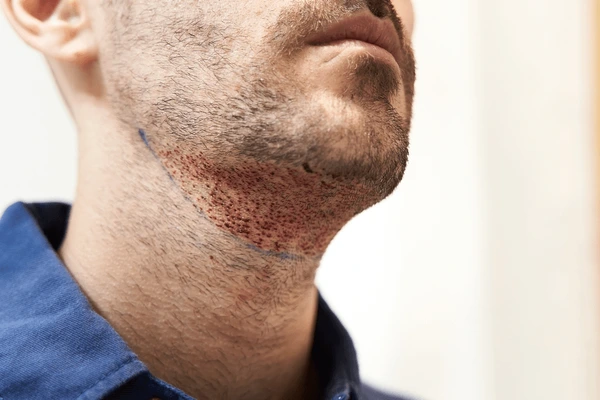
Following beard transplantation, temporary shedding of transplanted hair shafts may occur during the initial weeks. New hair growth generally develops over the following months, with further changes in density and appearance over approximately 9–12 months or longer. The timeline varies between individuals.
Successfully transplanted follicles may continue producing hair over the long term. However, graft survival and final hair density cannot be guaranteed, and some patients may require additional treatment.
Post-Procedure Care & Follow-Up
Following the surgeon’s postoperative instructions is important for wound healing and monitoring recovery. Aftercare may include scalp and facial hygiene, prescribed medications, temporary activity restrictions and follow-up appointments.
Potential risks include infection, scarring, folliculitis, uneven hair growth and graft failure. Individual recovery and treatment outcomes depend on clinical factors, surgical technique and postoperative healing.
For further information about hair loss causes and treatment considerations, read our Hair Loss Treatment in Navi Mumbai guide.
Dr. Vinod Vij’s Clinical Approach to Beard Transplantation in Navi Mumbai
Medical Qualifications and Clinical Experience:
Dr. Vinod Vij holds MBBS, MS (General Surgery) and MCh (Plastic Surgery) qualifications. His clinical practice includes plastic and cosmetic surgery and hair restoration procedures.
Individualised Treatment Planning:
Beard transplantation is planned according to the patient’s facial anatomy, existing hair growth pattern, donor hair availability, medical history and individual treatment requirements.
Hair Transplantation Techniques:
Beard transplantation may involve Follicular Unit Extraction (FUE) and appropriate graft implantation techniques. The choice of method depends on clinical assessment, donor hair characteristics and treatment suitability.
Patient Assessment and Informed Consent:
Before a procedure, patients should receive information about potential benefits, risks, limitations, expected recovery and available alternatives.
Postoperative Care and Follow-Up:
Postoperative instructions and follow-up assessments are important for monitoring wound healing, identifying potential complications and evaluating hair growth over time.
Learn about beard transplantation techniques, treatment suitability, potential risks and recovery requirements.
Frequently Asked Questions:
The cost of a beard transplant in Navi Mumbai varies depending on the number of grafts required, the area being treated, the transplantation technique and individual clinical requirements. An estimated cost is provided after assessment and should clarify any additional procedure or follow-up charges.
The indicative beard transplant cost in Navi Mumbai is approximately ₹50,000 to ₹1,00,000. The final cost depends on the number of grafts, treatment area, technique and individual requirements.
Transplanted follicles can provide long-lasting hair growth, but individual results vary. A consultation is required to assess donor hair and suitability.
The procedure is performed using local anesthesia, so the treatment area is numbed during the procedure. Some temporary discomfort, swelling, redness, or sensitivity may occur after treatment.
A natural-looking result depends on careful planning and placement of the grafts. The angle, direction, density, and distribution of transplanted follicles are important for creating a beard pattern that blends with existing facial hair.
Some transplanted hairs may shed during the early phase after transplantation. This is commonly part of the hair-growth cycle, while the transplanted follicles remain in place and may produce new hair during subsequent months.