
Otoplasty Surgery in Navi Mumbai – Procedure, Risks, Recovery and Cost
Otoplasty, also known as ear reshaping or ear correction surgery, is a procedure used to modify the shape, position or proportions of the external ears. It may be considered for prominent ears, certain congenital ear differences or structural changes following an injury.
Otoplasty in Navi Mumbai may be considered in selected children and adults after individual medical assessment. Surgery may change ear projection or cartilage shape, but complete symmetry and specific cosmetic outcomes cannot be guaranteed.
Dr. Vinod Vij provides plastic and cosmetic surgery consultations in Navi Mumbai. Clinical assessment helps determine suitability and allows discussion of available techniques, alternatives, potential complications, recovery and cost.
What Is Otoplasty Surgery?
Otoplasty is a surgical procedure involving the outer ear, also called the auricle or pinna.
Depending on the anatomical concern, surgery may involve:
Repositioning prominent ears closer to the head.
Creating or modifying cartilage folds.
Adjusting selected differences in ear contour.
Reducing certain enlarged ear structures.
Addressing selected congenital or injury-related deformities.
Otoplasty primarily changes the external appearance of the ears. Conventional ear pinning does not generally improve hearing.
Patients with hearing difficulties or ear canal concerns may require separate assessment by an appropriate medical specialist.
Learn about otoplasty surgery in Navi Mumbai, including suitability, ear correction techniques, potential risks and recovery.
Who May Be Considered for Otoplasty?
Otoplasty may be considered following individual examination of the ear cartilage, skin and surrounding structures.
Clinical considerations include:
Prominent or protruding ears.
Differences in ear shape or projection.
Congenital external ear abnormalities.
Changes following ear injury.
Previous ear surgery.
General health and wound-healing factors.
Age and cartilage development.
Understanding of risks and realistic outcomes.
Not every difference in ear appearance requires treatment.
Otoplasty in Children
Ear correction surgery may be considered for selected children when ear cartilage is sufficiently developed, often around five years of age or later.
Timing depends on the specific ear condition and medical evaluation.
The child’s willingness, understanding and involvement in decision-making should be considered alongside parental consent. Surgery should not be undertaken solely because of social pressure.
Otoplasty in Adults
Adults may seek assessment for prominent ears, congenital shape differences or changes after injury.
Surgical suitability depends on ear anatomy, medical history, healing characteristics and individual preferences.
What Ear Conditions Can Otoplasty Address?
Prominent or Protruding Ears
Some ears extend farther from the side of the head because of differences in cartilage folds or conchal shape.
Ear pinning surgery may reposition selected structures.
Ear Asymmetry
Differences between the ears are common. Surgery may address selected differences in shape or projection, although complete symmetry cannot be guaranteed.
Congenital Ear Differences
Certain abnormalities of the external ear are present at birth.
Some require specialised reconstruction rather than conventional ear pinning.
Changes Following Injury
Injury can affect the cartilage, skin or supporting tissues.
Treatment depends on the extent of the damage and condition of the remaining structures.
Earlobe Injuries
Split, torn or stretched earlobes usually require a different repair technique from cartilage-based otoplasty.
Types of Otoplasty and Related Ear Procedures
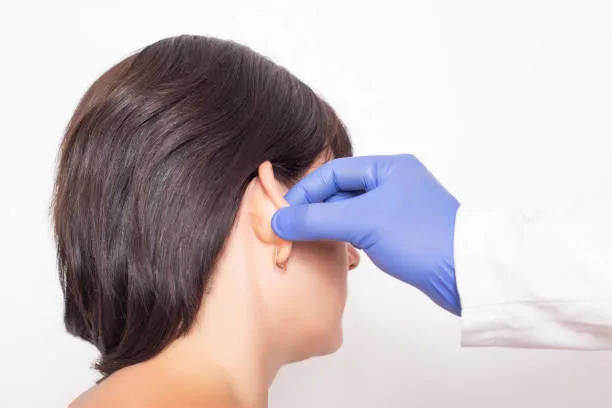
Different surgical methods may be considered depending on the underlying anatomical concern.
Ear Pinning Surgery
Ear pinning involves repositioning prominent ears using selected cartilage techniques and sutures.
Ear Cartilage Reshaping
The surgeon may modify cartilage folds or contours to address structural differences.
Ear Reduction
Selected enlarged ear structures may be reduced through surgical techniques appropriate to the anatomy.
Revision Otoplasty
Revision surgery may be considered when concerns remain after a previous operation.
Scar tissue and altered cartilage may increase procedural complexity.
Ear Reconstruction
More substantial congenital or injury-related defects may require reconstructive operations, sometimes performed in stages.
The appropriate procedure cannot be determined from appearance alone.
How Is Otoplasty Surgery Performed?
Step 1: Clinical Assessment
The surgeon examines ear size, shape, cartilage folds, projection, skin condition and symmetry.
Medical history and previous ear procedures are reviewed.
Step 2: Surgical Planning
The proposed changes, incision locations, anaesthesia, potential complications and recovery requirements are discussed.
Step 3: Anaesthesia
Local anaesthesia, sedation or general anaesthesia may be used according to age, procedure complexity and individual clinical requirements.
Step 4: Surgical Incision
Many ear pinning techniques use an incision behind the ear.
Other incision locations may be necessary for specific structural abnormalities.
Step 5: Cartilage Adjustment
Selected cartilage structures may be folded, reshaped or repositioned. Internal sutures may be used to support the planned ear position.
Step 6: Closure and Dressing
Incisions are closed, and protective dressings or a head bandage may be applied.
Step 7: Follow-Up
Postoperative assessments help monitor wound healing, ear position, swelling and possible complications.
The exact technique and recovery requirements vary between individuals.
Otoplasty Consultation Information
Learn about ear reshaping surgery, treatment options, possible risks and recovery requirements. A clinical assessment can help determine whether otoplasty is appropriate for your individual needs.
What Are the Risks and Complications of Otoplasty?
Otoplasty is a surgical procedure and carries recognised risks.
Possible complications include:
Bleeding or haematoma.
Infection.
Pain, swelling or bruising.
Permanent or thickened scars.
Temporary or persistent altered sensation.
Ear asymmetry.
Overcorrection or undercorrection.
Recurrence of ear prominence.
Suture irritation or extrusion.
Cartilage irregularities.
Delayed wound healing.
Skin or cartilage injury.
Anaesthesia-related complications.
Possible revision surgery.
The likelihood of complications varies according to anatomy, surgical technique, medical history and healing.
These risks should be discussed before informed consent.
Otoplasty Recovery and Aftercare
Recovery depends on the operation, patient age, cartilage characteristics and individual healing.
First Few Days
Swelling, tenderness, bruising and discomfort may occur.
A bandage may be used to protect the operated ears.
First One to Two Weeks
Some patients gradually return to light activities according to the surgeon’s instructions.
Wound care and dressing requirements vary.
Following Weeks
Protective headwear may be recommended, particularly during sleep.
Contact sports and activities that could bend or injure the ears may need to be restricted.
Longer-Term Healing
Residual swelling and changes in sensation or scar appearance may continue for several months.
When Should Medical Attention Be Sought?
Increasing pain, substantial swelling, fever, spreading redness, unusual discharge, significant bleeding or wound problems require prompt medical assessment.
Does Otoplasty Leave Permanent Scars?
Yes. Otoplasty involves surgical incisions, which may leave permanent scars.
Many ear pinning procedures place incisions behind the ears, where scars may be less noticeable.
Scar appearance depends on incision placement, skin characteristics, wound healing and individual factors.
No surgical technique can guarantee invisible scars.
Are Otoplasty Results Permanent?
Otoplasty may produce long-lasting changes in ear position or cartilage shape.
However, outcomes depend on the surgical method, cartilage characteristics and healing.
Possible limitations include:
Residual differences between the ears.
Changes in cartilage position over time.
Recurrence of ear prominence.
Scarring or contour irregularities.
Need for additional treatment.
Patients should understand these possibilities before surgery.
Does Otoplasty Improve Hearing?
Conventional otoplasty for prominent ears does not generally improve hearing because it primarily modifies the external ear.
Hearing difficulties may involve the ear canal, middle ear, inner ear or other structures.
These concerns require appropriate medical assessment.
In complex congenital ear conditions, external ear reconstruction and hearing-related treatment may be considered separately or as part of broader specialist care.
Otoplasty vs Earlobe Repair
Otoplasty and earlobe repair address different anatomical structures.
| Feature | Otoplasty | Earlobe Repair |
|---|---|---|
| Main area | Outer ear cartilage and associated tissues | Soft tissue of the earlobe |
| Common concern | Ear prominence or shape differences | Split or stretched earlobe |
| Surgical approach | Cartilage reshaping or repositioning | Soft-tissue repair |
| Scars | Depend on operative technique | Depend on repair and healing |
| Recovery | Varies with ear surgery | Varies with tissue repair |
A medical examination helps determine which type of procedure, if any, is appropriate.
How Much Does Otoplasty Cost in Navi Mumbai?
Otoplasty cost in Navi Mumbai depends on the surgical technique, complexity and individual medical requirements.
Relevant cost factors include:
Treatment of one or both ears.
Ear pinning or reconstructive surgery.
Extent of cartilage reshaping.
Previous surgery or injury.
Anaesthesia requirements.
Professional and hospital fees.
Preoperative investigations.
Medicines and dressings.
Follow-up requirements.
Possible additional treatment.
An itemised quotation should identify included services and possible additional charges.
For broader information about surgical fees, read plastic surgery cost in Navi Mumbai.
Does Health Insurance Cover Otoplasty?
Otoplasty performed solely for cosmetic reasons is generally excluded from standard health insurance coverage.
Some medically indicated reconstructive procedures may be considered under individual policies.
Coverage depends on the medical indication, insurer requirements and policy terms.
Are There Alternatives to Otoplasty?
Treatment alternatives depend on age, anatomy and the specific ear condition.
For selected newborns, non-surgical ear moulding may be considered while ear cartilage remains relatively flexible.
For older children and adults, non-surgical methods generally have limited ability to permanently alter established cartilage shape.
Observation or deciding not to undergo surgery are also reasonable options.
A consultation can help explain the available approaches.
Frequently Asked Questions About Otoplasty
Otoplasty is a procedure used to alter the shape, position or proportions of the external ear.
Ear pinning involves repositioning prominent ears closer to the head using selected cartilage techniques and sutures.
Surgery may be considered in selected children around five years of age or later, depending on ear development, clinical suitability and the child's willingness.
Yes. Adults may be considered for otoplasty following individual medical assessment.
Conventional ear pinning does not generally improve hearing.
Some individuals resume light activities within one to two weeks, while full healing and activity restrictions may extend longer.
Anaesthesia is used during surgery. Temporary discomfort, swelling and tenderness may occur during recovery.
Yes. Incisions may leave permanent scars, although their visibility depends on the surgical technique and individual healing.
Both ears may be treated during one procedure when clinically appropriate.
No. Prominent ears do not automatically require surgery. Treatment is an individual decision based on assessment and informed preferences.
Disclaimer: Website content and visuals are for general informational, educational and representational purposes only, may not reflect individual patient conditions or outcomes, and do not replace personalised medical advice, diagnosis or clinical assessment.