
Visceral Fat vs Subcutaneous Fat: Why Liposuction Can’t Remove Both
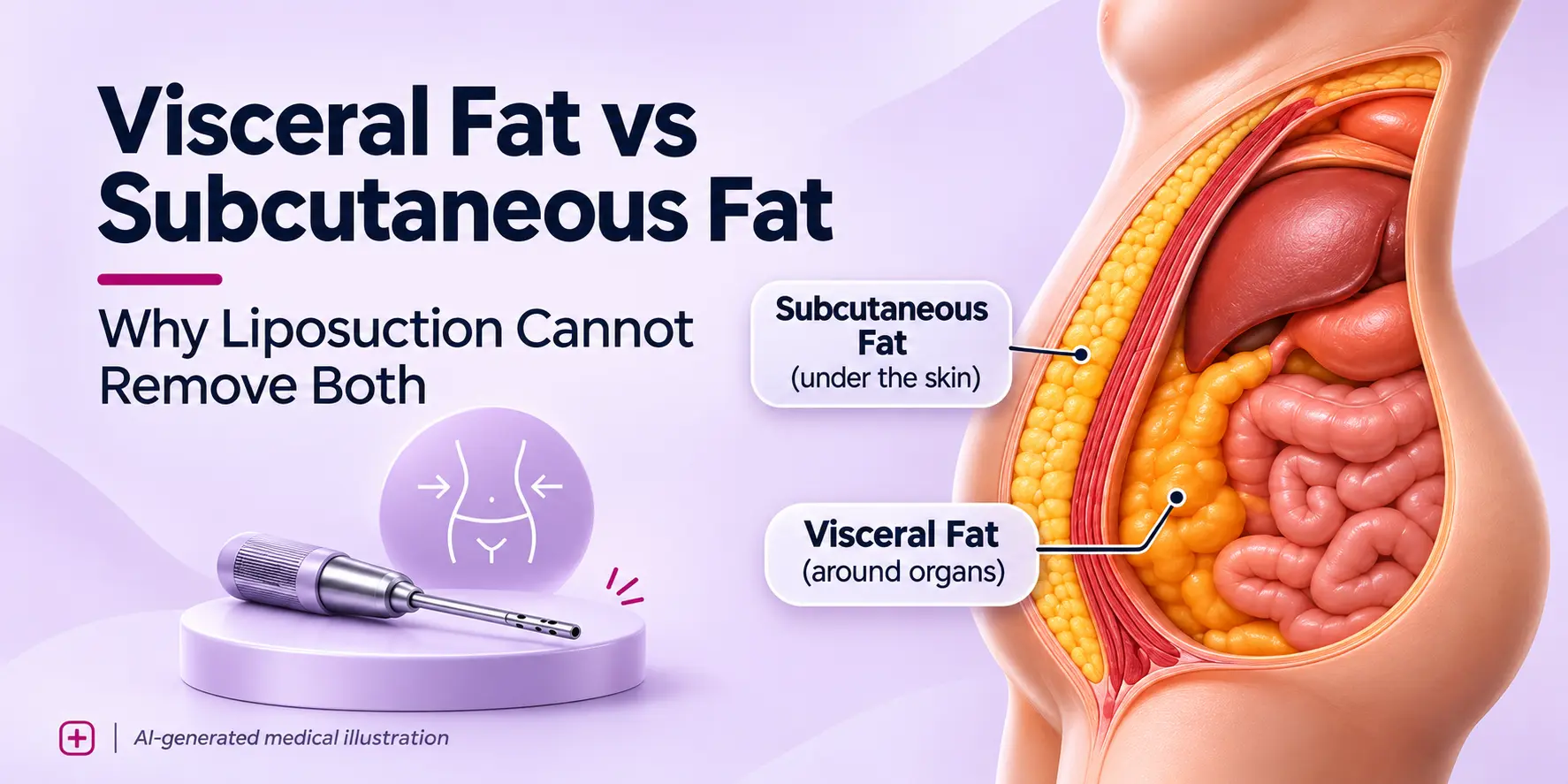
Visceral fat lies deep inside the abdominal cavity surrounding the internal organs, while subcutaneous fat sits just beneath the skin. Liposuction can sculpt the outer contour by removing selected subcutaneous deposits, but it cannot reach or eliminate visceral fat because that tissue is protected by muscle and peritoneal layers. Consequently, liposuction is a body-contouring tool, not a treatment for the metabolic risks linked to excess visceral fat.
What Is Visceral Fat vs Subcutaneous Fat?
Visceral fat is adipose tissue that accumulates around the liver, pancreas, intestines and other intra-abdominal organs. Its primary role is to provide cushioning and a source of free fatty acids during fasting. Subcutaneous fat is the layer of fat directly under the skin, distributed over the entire body surface. It serves as insulation, energy storage, and contributes to body shape.
For additional information about how fat distribution influences surgical assessment, read about body contouring treatment and its limitations.
What Causes Excess Fat Accumulation?
Genetics, chronic calorie excess, sedentary lifestyle, hormonal imbalances and age-related metabolic changes can increase both fat compartments. However, visceral fat is especially sensitive to insulin resistance, high-sugar diets and stress hormones, leading to a disproportionate buildup in the abdominal cavity.
Who May Consider Liposuction?
Adults with stable weight, good overall health, and localized subcutaneous fat deposits that cause aesthetic concerns may be candidates. Liposuction is not indicated for individuals seeking weight loss or metabolic improvement, as it does not affect visceral fat.
How Does Liposuction Work?
During the procedure, a small incision is made and a cannula is inserted under the skin to suction out subcutaneous fat. The surgeon can contour the abdomen, thighs, arms or other areas, but the cannula never penetrates the muscular fascia that separates subcutaneous from visceral compartments.
To understand the procedure, anatomical considerations and potential risks, see the educational information about liposuction surgery in Navi Mumbai.
What Outcomes Are Realistic?
Patients can expect a smoother external silhouette and reduction of measured skin-fold thickness. Improvements in metabolic markers (e.g., blood glucose, cholesterol) are not guaranteed because visceral fat remains unchanged.
Benefits and Limitations
Benefits: Precise removal of unwanted subcutaneous fat, long-lasting contour change, minimal scarring when performed by qualified surgeons.
Limitations: No effect on visceral fat, no weight-loss benefit, and results depend on postoperative lifestyle. For metabolic health, diet, exercise and medical management remain essential.
Another important distinction is whether abdominal concerns involve excess fat, loose skin or abdominal muscle laxity. The article Tummy Tuck vs Liposuction: Understanding the Differences explains how these procedures address different anatomical concerns.
| Feature | Visceral Fat | Subcutaneous Fat |
|---|---|---|
| Location | Deep within abdominal cavity, around organs | Just beneath the skin, over the whole body |
| Primary Function | Organ protection, metabolic fuel source | Insulation, energy reserve, shape |
| Health Implications of Excess | Insulin resistance, type 2 diabetes, cardiovascular disease, fatty liver | Generally lower metabolic risk; may affect appearance and joint stress |
| Can Liposuction Remove? | No – too deep, protected by muscle fascia | Yes – targeted subcutaneous deposits |
| Management Strategies | Diet, aerobic exercise, medical therapy when indicated | Liposuction for contour, lifestyle for reduction |

Risks or Possible Complications
Potential complications include infection, bleeding, contour irregularities, seroma, nerve injury, and anesthesia‑related events. Patients with uncontrolled diabetes, cardiovascular disease, or poor wound‑healing capacity have higher risk and may be unsuitable candidates.
When to Seek Medical Advice
If you notice a persistent abdominal protrusion despite a healthy weight, or if you have metabolic concerns such as high blood pressure or elevated blood sugar, consult a qualified healthcare professional. A clinician can assess fat distribution using waist circumference, body‑mass index, and, when needed, imaging studies like ultrasound or CT.
Medical Assessment of Abdominal Fat
Clinicians evaluate abdominal fat through a combination of medical history, physical examination, waist‑to‑hip ratio, and, in selected cases, imaging (e.g., CT, MRI) to differentiate visceral from subcutaneous compartments. These assessments guide recommendations for lifestyle change, pharmacotherapy, or surgical referral.
Medical References
Frequently Asked Questions
Can liposuction reduce belly size caused by visceral fat?
No. Liposuction removes only subcutaneous fat; visceral fat remains deep within the abdomen and is not affected by the procedure.
What health problems are linked to high visceral fat levels?
Elevated visceral fat is associated with insulin resistance, type 2 diabetes, hypertension, coronary artery disease, and non-alcoholic fatty liver disease.
How can I tell if my abdominal fat is visceral or subcutaneous?
A large waist circumference (over 40 inches for men, 35 inches for women) and imaging studies such as ultrasound or CT can help differentiate the two compartments.
Is liposuction a weight-loss solution?
Liposuction is a body-contouring technique, not a weight-loss treatment. It removes localized fat deposits but does not significantly change overall body weight or metabolic health.
What lifestyle changes target visceral fat?
Regular aerobic exercise, a balanced diet low in refined sugars, adequate sleep, and stress management have been shown to reduce visceral fat over time.
Are there any non-surgical options to improve abdominal appearance?
Yes, gradual weight loss through diet and exercise, as well as medically supervised treatments like GLP-1 agonists, can reduce both visceral and subcutaneous fat, improving overall shape.
Conclusion
Understanding the distinct locations and functions of visceral and subcutaneous fat clarifies why liposuction can only reshape the outer layer of the body. While subcutaneous fat can be safely removed for aesthetic improvement, excess visceral fat requires lifestyle and medical strategies to mitigate serious health risks.
Medical Disclaimer
This article is intended for general educational purposes only and does not replace individual medical advice, diagnosis or treatment. Suitability, risks and outcomes vary. Consult a qualified healthcare professional for medical guidance specific to your situation.