
3 Months Post Op Tummy Tuck
At 3 months post-op tummy tuck, most early healing has progressed, and swelling and discomfort are often substantially reduced. However, mild residual swelling, abdominal tightness, numbness and visible surgical scars may still be present. The tissues can continue changing for several more months.
A tummy tuck, medically called abdominoplasty, removes excess abdominal skin and may involve tightening separated abdominal muscles.
Recovery depends on the extent of surgery, individual health, wound healing and whether other procedures were performed.
This article explains what may be expected three months after a tummy tuck, how recovery progresses and when medical evaluation is needed.
What Happens 3 Months After a Tummy Tuck?
Three months after surgery, many individuals experience improvements in mobility, swelling and general comfort.
However, healing is not always complete.
1. Residual Abdominal Swelling
Mild swelling may remain around the lower abdomen, incision or treated tissues.
Swelling may fluctuate during the day or after physical activity.
Sudden, painful or increasing swelling should not automatically be considered part of ordinary recovery.
2. Abdominal Tightness
A sensation of tightness or pulling may persist because of tissue healing, scar formation and abdominal wall repair.
It should generally become less troublesome over time.
3. Numbness or Altered Sensation
Changes in sensation around the lower abdomen may continue for several months.
Some sensory changes may persist longer.
4. Scar Changes
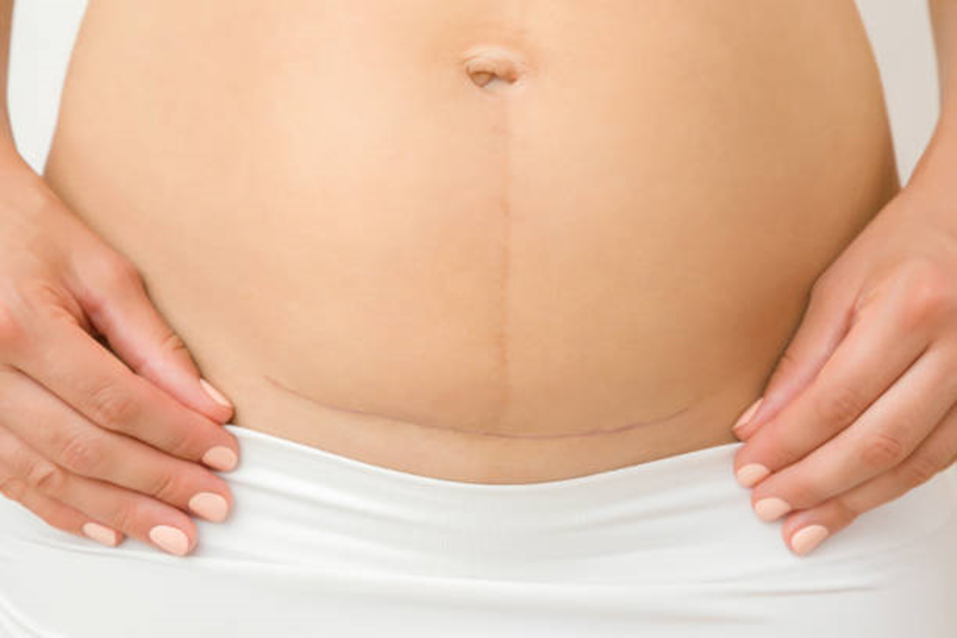
The lower abdominal scar may remain pink, red, firm or slightly raised.
Scar maturation can continue for 12–18 months or longer.
5. Improved Mobility
Many individuals can perform ordinary daily activities more comfortably by three months.
However, return to heavy lifting or demanding abdominal exercise should depend on individual recovery and medical clearance.
Is Swelling Normal 3 Months After a Tummy Tuck?
Yes. Mild residual swelling may still occur three months after abdominoplasty.
Surgery affects abdominal skin, connective tissue and small blood and lymphatic vessels. Healing-related inflammation and temporary changes in fluid drainage may contribute to swelling.
However, the amount and duration vary.
 Why Might the Abdomen Still Look Swollen?
 Why Might the Abdomen Still Look Swollen?
Possible contributing factors include:
-
Residual postoperative inflammation
-
Temporary fluid retention in healing tissues
-
Scar tissue formation
-
Changes in lymphatic drainage
-
Fat distribution or abdominal wall characteristics
A persistent localized swelling may occasionally be caused by a seroma, which is a collection of fluid beneath the skin.
An examination may be needed to distinguish ordinary swelling from a complication.
Tummy Tuck Recovery Timeline
The following table outlines approximate recovery stages.
| Recovery stage | Common observations |
|---|---|
| Week 1 | Swelling, bruising, discomfort and restricted movement |
| Weeks 2–3 | Gradual improvement in pain and mobility |
| Weeks 4–6 | Increased daily activity; residual swelling and tightness |
| Months 2–3 | Further swelling reduction and continuing tissue healing |
| Months 3–6 | Ongoing changes in firmness, sensation and abdominal contour |
| Months 6–12 | Further tissue settling and scar changes |
| Beyond 12 months | Scar maturation may continue in some individuals |
These are general estimates, not guaranteed milestones.
For more about the earlier stages, read 3 weeks after a tummy tuck: what to expect.
Why Does the Stomach Still Feel Hard or Tight After 3 Months?
 Abdominal firmness may be related to scar formation, residual swelling or healing of the tissues beneath the skin.
If abdominal muscles were repaired, this may also contribute to a persistent pulling sensation.
However, a new, enlarging or painful firm area should be evaluated.
Possible concerns include a localized fluid collection, abnormal scarring or another postoperative condition.
The cause cannot always be established from appearance alone.
What Should Tummy Tuck Scars Look Like After 3 Months?
At three months, the incision is usually beyond the initial wound-healing phase, but the scar is still immature.
It may appear:
-
Pink or reddish
-
Slightly raised
-
Firm to the touch
-
Sensitive or mildly itchy
The appearance varies according to skin characteristics, incision healing and individual scar formation.
Can Silicone Gel Help?
Silicone-based products may be considered for selected scars after the wound is completely healed.
They may help manage certain raised scars, but effectiveness varies.
Scar massage or other interventions should be started only when recommended by the treating healthcare professional.
Surgical scars are permanent and cannot be guaranteed to disappear.
Can You Exercise 3 Months After a Tummy Tuck?
Many people can return to a broader range of physical activities by three months following uncomplicated healing.
However, the appropriate activity level depends on the operation and recovery.
Walking and Light Exercise
Walking and selected low-impact activities may be appropriate when medically permitted.
Abdominal Exercises
Planks, crunches and other core exercises may place additional strain on tissues repaired during abdominoplasty.
Their return should follow individualized guidance.
Weight Training
Resistance training may be resumed gradually after assessment of healing and physical readiness.
High-Impact Exercise
Running and other strenuous activities should be reintroduced according to medical advice, particularly when complications or muscle repair are involved.
For information about an earlier recovery stage, read 5 weeks post-op tummy tuck: recovery and aftercare.
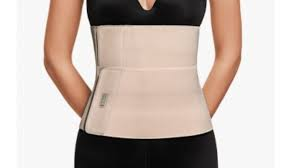
Is a Compression Garment Needed After 3 Months?
Compression garments are often prescribed during the early postoperative period.
However, there is no universal requirement to continue wearing a compression garment for three months.
The appropriate duration depends on the surgical technique, swelling, tissue condition and treating surgeon’s instructions.
Continued compression should not be assumed to correct every cause of swelling.
A garment that causes excessive pressure, pain or skin injury requires review.
What Are the Possible Complications at 3 Months?
Although many early surgical complications occur during the first weeks, some problems can remain or become noticeable later.
Seroma
A fluid collection may cause localized abdominal swelling or fullness.
Hypertrophic Scarring
Some scars become thickened, raised or more noticeable.
Persistent Sensory Changes
Numbness or altered skin sensation may continue beyond three months.
Wound-Healing Problems
Delayed healing, wound breakdown or persistent discharge requires medical attention.
Contour Irregularities
Unevenness may relate to residual swelling, fat distribution, scar tissue or abdominal wall characteristics.
Further surgery is not automatically necessary.
For related information about additional abdominal contouring procedures, read liposuction after tummy tuck: timing and risks.
3-Month Post-Op Tummy Tuck Care Checklist
