
Belly Button After Lipo: What to Expect and How to Ensure a Smooth Recovery?
The belly button after liposuction may temporarily appear swollen, uneven, deeper or differently shaped because of changes in the surrounding fat, skin and healing tissues. Some changes improve as swelling decreases, while others may persist because of loose skin, scar tissue or contour irregularities.
Liposuction removes selected deposits of subcutaneous fat using a thin surgical tube called a cannula. It does not ordinarily reposition the belly button or remove significant loose skin.
Understanding why the navel looks different can help distinguish expected postoperative changes from concerns requiring medical evaluation.
Why Does the Belly Button Look Different After Liposuction?
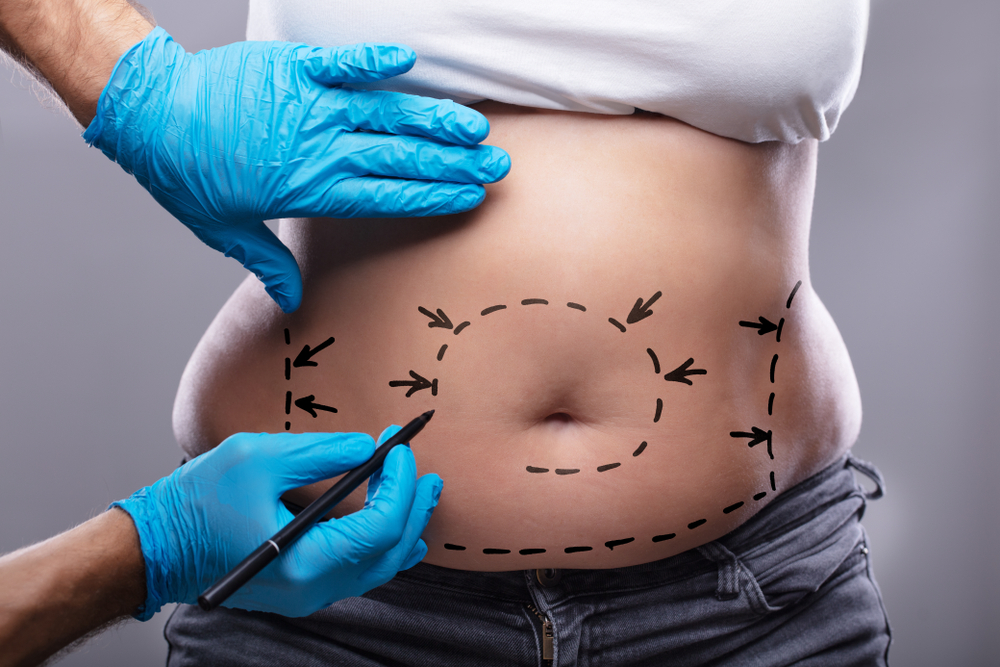
The appearance of the belly button depends partly on the surrounding abdominal fat, skin elasticity and underlying tissue attachments.
Several factors may influence its appearance after surgery.
1. Postoperative Swelling
Swelling can temporarily change the shape and depth of the belly button.
The surrounding tissues may appear puffy or uneven during healing.
2. Changes in Fat Distribution
Removing fat around the abdomen changes its surface contours.
The belly button may appear more prominent or deeper even though its anatomical position has not changed.
3. Skin Laxity
When the abdominal skin has limited elasticity, it may not retract sufficiently after fat removal.
This can contribute to folds or a downward-facing belly button appearance.
4. Scar Tissue and Fibrosis
Healing tissues may develop firmness or internal scarring.
In some cases, this creates pulling, indentation or unevenness around the navel.
5. Contour Irregularities
Uneven fat removal or differences in tissue healing can produce localized depressions or asymmetry.
Not every contour irregularity resolves without treatment.
What Changes May Occur Around the Belly Button?
Different appearances can have different causes.
| Appearance | Possible explanation | When assessment is important |
|---|---|---|
| Puffy or swollen | Postoperative inflammation | Swelling is increasing, painful or persistent |
| Uneven shape | Asymmetric swelling or contour irregularity | Asymmetry persists after healing |
| Deeper indentation | Reduced surrounding fat or tissue adherence | New pain or significant pulling occurs |
| Downward-facing appearance | Skin laxity or surrounding folds | Change remains bothersome after swelling settles |
| Firmness around the navel | Healing-related fibrosis or scar tissue | A new, painful or enlarging lump develops |
| Red or discoloured skin | Bruising, irritation or another complication | Redness spreads or is accompanied by warmth or fever |
These are possible explanations rather than diagnoses. Clinical examination may be necessary to determine the cause.
Is a Sad Belly Button After Liposuction Normal?
The term sad belly button is sometimes used to describe a navel that appears horizontal or downward-facing.
This appearance may become noticeable when the abdominal skin does not retract sufficiently after fat removal.
It can also be influenced by swelling and the distribution of tissues around the navel.
Some changes may improve during recovery, but significant skin laxity or scar-related distortion may persist.
A downward-facing belly button does not automatically indicate a surgical complication.
However, a new or persistent change can be evaluated to determine whether swelling, skin laxity or another factor is responsible.
How Long Does Belly Button Swelling Last After Liposuction?
Swelling commonly improves during the first several weeks after liposuction, but residual tissue changes can continue for months.
First 1–2 Weeks
Bruising, tenderness and swelling are common.
The belly button may appear temporarily distorted because of surrounding inflammation.
Weeks 3–6
Swelling generally decreases, although tissue firmness and mild unevenness may remain.
Months 2–3
Further reduction in swelling may make the abdominal contours easier to assess.
Months 3–6
Some residual swelling, fibrosis and contour changes may continue settling.
Beyond 6 Months
Persistent or newly worsening changes deserve assessment rather than being automatically attributed to ordinary healing.
Recovery varies with the extent of surgery and individual tissue characteristics.
For more information, read swelling six months after liposuction and its possible causes.
Can Liposuction Change the Position of the Belly Button?
Liposuction alone does not usually relocate the belly button.
However, reducing the surrounding fat can change how the navel appears in relation to the abdominal surface.
This is different from a tummy tuck, in which the abdominal skin is repositioned and the belly button may be brought through a new opening.
Understanding this distinction is important when comparing procedures.
Read tummy tuck vs. liposuction: differences, risks and recovery for an explanation of their different effects on abdominal skin and fat.
Can an Uneven Belly Button Be Corrected?
The appropriate management depends on the underlying cause and how long the tissues have been healing.
Observation During Recovery
If the appearance is primarily related to swelling, further healing may change the contour.
Medical Assessment of Scar Tissue
Persistent firmness or tethering may require examination to determine whether fibrosis or another condition is present.
Skin Laxity Assessment
Liposuction does not reliably tighten significant loose skin.
Additional fat removal may sometimes make skin laxity more noticeable.
Further Procedures
In selected cases, a clinician may discuss surgical correction or other treatments after identifying the cause.
However, massage, radiofrequency treatments, fat grafting and revision surgery should not be presented as universally effective solutions.
Each approach has limitations, potential complications and different indications.
Additional surgery is not automatically necessary.
For related information, see liposuction after tummy tuck: timing, risks and treatment considerations.
What Are the Possible Complications?
Liposuction carries risks that may affect the treated abdominal tissues.
Potential complications include:
Belly Button After Liposuction: Care Checklist
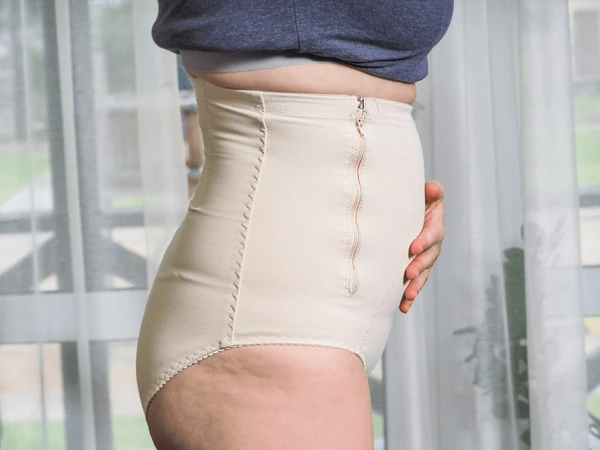 Appropriate aftercare supports healing but does not guarantee a particular navel shape or abdominal contour.
-
Follow postoperative instructions: Use prescribed medicines and wound-care measures as directed.
-
Wear compression as advised: Follow the treating surgeon’s instructions for fit and duration.
-
Avoid aggressive massage: Do not massage painful, inflamed or unexplained swollen areas without medical advice.
-
Resume activities gradually: Avoid strenuous abdominal exercise until medically cleared.
-
Maintain appropriate hygiene: Keep incision sites clean according to postoperative guidance.
-
Support normal healing: Maintain adequate nutrition and hydration and avoid nicotine.
-
Monitor changes: Report increasing pain, redness, discharge or unusual swelling.
-
Attend follow-up assessments: Persistent unevenness may require examination.
When Should You Seek Medical Attention?
Mild swelling and discomfort can occur during recovery.
However, medical assessment is important when the area around the belly button develops:
-
Rapidly increasing or painful swelling
-
Spreading redness or warmth
-
Fever or unusual discharge
-
A new, painful or enlarging lump
-
Wound breakdown or unusual skin discoloration
A new bulge around the belly button, particularly one associated with pain, may require evaluation for a hernia or another condition rather than being assumed to result from liposuction.
Sudden breathlessness, chest pain or fainting requires emergency medical care.