
Brazilian Butt Lift (BBL) Surgery in Navi Mumbai: Cost, Procedure, Recovery & Results
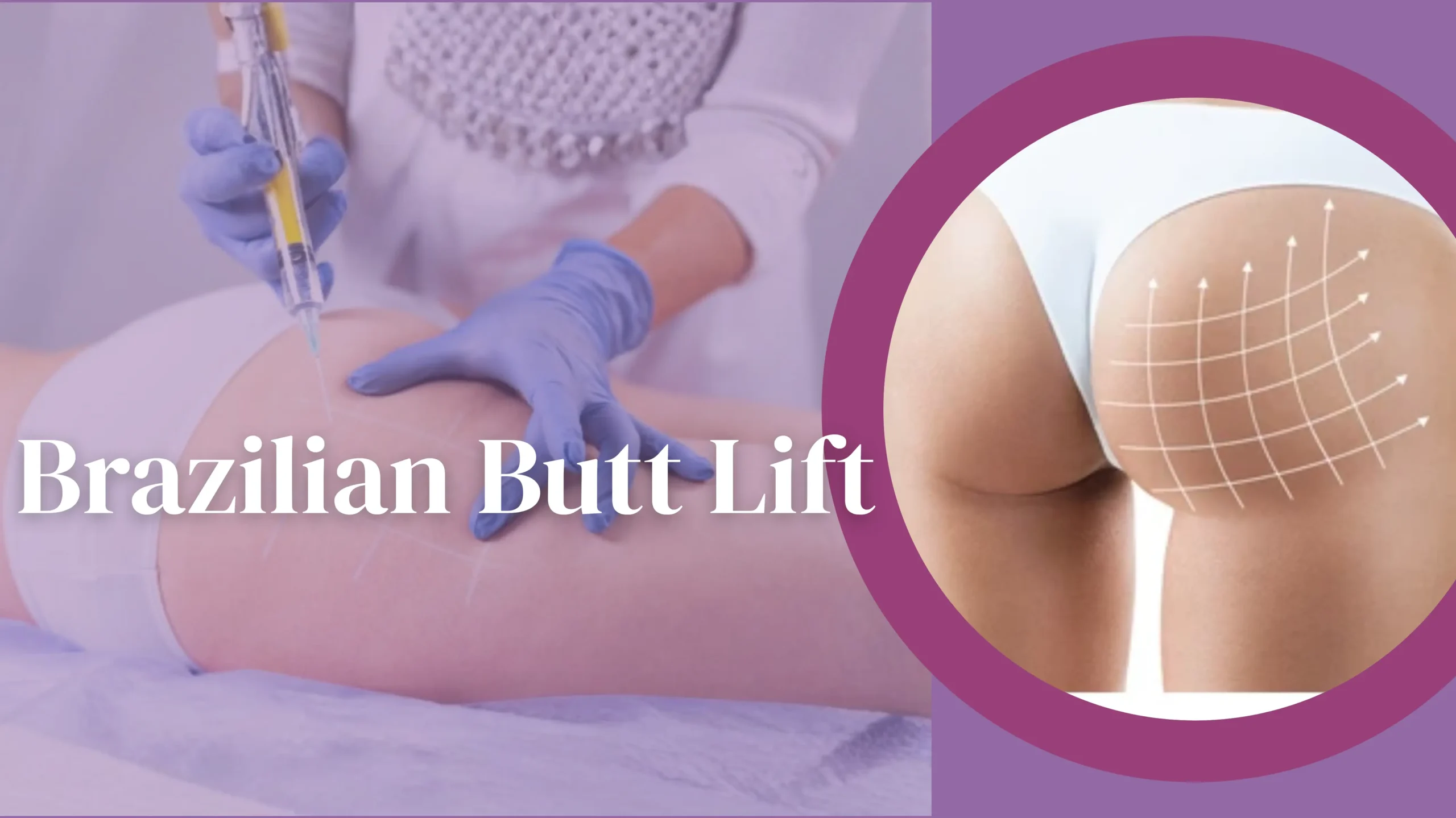
Brazilian butt lift surgery (BBL) is a cosmetic procedure that transfers a person’s own fat from selected areas of the body into the subcutaneous tissue of the buttocks. It combines liposuction with fat grafting to change buttock volume and contour.
However, BBL carries significant surgical risks, including potentially fatal pulmonary fat embolism. It requires careful medical assessment, strict attention to fat-injection depth and appropriate postoperative monitoring.
This article explains how BBL surgery is performed, the safety precautions recommended by professional organisations, recovery expectations and possible complications.
What Is Brazilian Butt Lift Surgery?
Brazilian butt lift, also called gluteal fat grafting, involves removing subcutaneous fat from selected body areas and transferring some of that fat to the buttocks.
Common donor areas include the abdomen, flanks, lower back and thighs.
The operation has two main components:
Liposuction: Removes selected deposits of subcutaneous fat.
Fat grafting: Transfers processed fat into the superficial fatty tissue of the buttocks.
Not all transferred fat survives. Some is naturally reabsorbed during recovery, so the long-term volume cannot be predicted precisely.
BBL is not a weight-loss procedure and should not be confused with a surgical buttock lift that removes excess skin.
Who May Be Considered for BBL Surgery?
A qualified plastic surgeon may assess an individual considering gluteal fat grafting based on overall health, anatomy and surgical risk.
Important considerations include:
General medical fitness for surgery and anaesthesia
Availability of suitable donor fat
Stable body weight
Smoking and nicotine exposure
History of blood clots or cardiovascular conditions
Previous surgeries and current medications
Realistic expectations about volume changes and scars
A person with inadequate donor fat, significant medical risk or unsuitable anatomy may not be an appropriate candidate.
Even when someone is medically eligible, the procedure remains elective and is not medically necessary.
How Is Brazilian Butt Lift Surgery Performed?
BBL involves several stages. The specific approach depends on individual anatomy and surgical planning.
1. Preoperative Assessment
The surgeon reviews medical history, examines the donor and recipient areas, assesses relevant risk factors and explains alternatives.
2. Anaesthesia
The operation is performed under an appropriate anaesthetic plan with monitoring and emergency support.
3. Liposuction
A cannula is used to remove selected fat deposits from the planned donor areas.
Liposuction itself can cause bleeding, swelling, contour irregularities and other complications.
4. Fat Preparation
Harvested fat is processed before transfer according to the surgical technique.
Not all harvested fat will necessarily be suitable for grafting.
5. Ultrasound-Guided Fat Placement
Current international safety recommendations support real-time ultrasound guidance to visualise the cannula during gluteal fat grafting.
Transferred fat should remain strictly within the subcutaneous tissue, above the gluteal fascia. It must not be injected into or beneath the gluteal muscles.
Deep injection can injure large blood vessels and allow fat to enter the bloodstream, potentially causing a fatal pulmonary fat embolism.
No technique makes the procedure completely risk-free.
Why Is Brazilian Butt Lift Considered a Higher-Risk Cosmetic Procedure?
The principal safety concern is pulmonary fat embolism.
A fat embolism can occur when fat enters the bloodstream and obstructs blood vessels in the lungs.
It can cause sudden respiratory and cardiovascular collapse and may be fatal.
Professional surgical organisations have issued specific warnings because gluteal fat grafting has historically been associated with serious complications and deaths.
Important Safety Measures
Current recommendations emphasise:
Keeping all transferred fat above the gluteal fascia
Avoiding intramuscular fat injection
Using real-time ultrasound guidance during fat placement
Operating in an appropriately equipped, regulated surgical facility
Assessing the individual’s risks before surgery
Ensuring appropriate anaesthesia, emergency support and follow-up arrangements
These precautions can reduce specific risks but do not eliminate them.
Brazilian Butt Lift vs. Traditional Buttock Lift
Although the names sound similar, the procedures address different anatomical concerns.
| Feature | Brazilian butt lift | Traditional buttock lift |
|---|---|---|
| Main purpose | Transfer fat to alter volume and contour | Remove selected excess skin and reposition tissue |
| Surgical approach | Liposuction and fat grafting | Skin excision and tissue repositioning |
| Excess skin removal | Not the primary purpose | Main component |
| Fat transfer | Yes | Not necessarily |
| Scarring | Liposuction and grafting access scars | Often longer surgical scars |
| Important risks | Fat embolism, blood clots, infection, fat necrosis | Wound complications, bleeding, infection, blood clots |
| Recovery | Involves donor and grafted areas | Depends on the extent of skin removal |
Neither operation guarantees a particular body shape or permanent symmetry.
For a related discussion of fat removal, read belly button changes after liposuction.
What Is the Recovery Timeline After BBL Surgery?
Recovery depends on the extent of liposuction, fat grafting, individual healing and any complications.
| Recovery period | Possible experiences |
|---|---|
| First 1–2 weeks | Bruising, swelling, tenderness and restricted sitting positions |
| Weeks 3–4 | Gradual improvement in discomfort; activity remains guided by the surgical team |
| Weeks 4–6 | Continued healing and swelling reduction |
| Weeks 6–8 | Further return to activities when medically cleared |
| Months 2–3 | Fat reabsorption and tissue changes may continue |
| Months 3–6 | Further changes in swelling and grafted volume |
| Beyond 6 months | Long-term contour may be assessed, although individual changes continue |
These are approximate periods, not guaranteed recovery milestones.
Sitting and Sleeping After BBL
Restrictions on direct pressure over the grafted areas may be recommended during early recovery.
The duration and specific positioning instructions depend on the surgical plan.
Patients should follow their treating surgeon’s guidance rather than using a universal timetable.
Compression Garments
Compression may be recommended for liposuction donor areas.
Garment fit and use should follow postoperative instructions, particularly because unnecessary pressure on grafted tissue may be undesirable.
Returning to Exercise
Walking may be encouraged when medically appropriate, partly to reduce immobility.
Strenuous exercise, prolonged pressure and heavy lifting should be resumed only after medical clearance.
What Are the Possible Risks and Complications?
BBL carries risks associated with both liposuction and gluteal fat grafting.
Pulmonary Fat Embolism
Fat entering the bloodstream can obstruct pulmonary vessels and cause life-threatening complications.
Fat Necrosis
Some transferred fat may fail to survive, producing firm areas, lumps or oil cysts.
Blood Clots
Deep vein thrombosis and pulmonary thromboembolism are additional potentially serious risks.
Seroma or Hematoma
Fluid or blood may collect beneath the skin.
Infection
Infection may affect donor or grafted areas and occasionally become severe.
Uneven Fat Survival
Different amounts of transferred fat may survive in different areas, causing asymmetry or contour irregularities.
Skin and Sensory Changes
Persistent swelling, numbness, pigmentation changes, skin injury or scarring may occur.
Need for Further Surgery
Additional surgery may be considered for complications or persistent contour concerns, but it introduces further risks.
These complications should be discussed in detail before informed consent.
How Long Do Brazilian Butt Lift Results Last?
Some transferred fat may survive long term after it establishes a blood supply.
However, a portion of the fat is typically reabsorbed during the first several months.
Fat survival varies according to individual factors, the surgical method and postoperative healing.
Body weight changes and ageing can also alter the appearance of both donor and grafted areas.
Therefore, long-term volume, symmetry and contour cannot be guaranteed.
Are There Alternatives to Brazilian Butt Lift Surgery?
Choosing not to undergo surgery is a valid option.
Other approaches depend on the anatomical concern and may include:
Exercise and Muscle Strengthening
Exercise can improve gluteal muscle strength and general fitness but does not reproduce the effects of fat grafting.
Observation Without Treatment
No intervention is necessary when the concern is primarily cosmetic and treatment risks outweigh the expected benefit.
Surgical Skin Removal
A traditional buttock lift may be considered for selected individuals with significant excess skin, particularly after substantial weight loss.
It is a different operation with its own risks and scars.
For related information about loose skin after weight loss, read thigh lift after weight loss: procedure and recovery.
Brazilian Butt Lift Safety and Recovery Checklist

Before considering surgery or during recovery, the following points are important:
Confirm medical suitability: Review medical history, medications and relevant risk factors.
Understand the fat-injection plane: Discuss why fat must remain above the gluteal fascia.
Ask about ultrasound guidance: Understand how cannula placement is monitored during grafting.
Assess surgical facility safety: Confirm appropriate anaesthesia, monitoring and emergency arrangements.
Discuss serious complications: Include fat embolism, blood clots, infection and fat necrosis.
Follow pressure restrictions: Use the advised sitting and sleeping positions during recovery.
Follow compression instructions: Avoid inappropriate pressure on grafted areas.
Resume activity gradually: Follow individualized postoperative guidance.
Attend follow-up appointments: Report unusual symptoms without delay.
These measures support safer decision-making but cannot guarantee a complication-free procedure.
When Should You Seek Emergency Medical Attention?
After gluteal fat grafting, sudden breathlessness, chest pain, fainting, confusion, a rapid heartbeat or an unexplained drop in oxygen levels may indicate a serious complication, including pulmonary fat embolism or a blood clot.
Seek emergency medical attention immediately if these symptoms occur.
Increasing swelling, spreading redness, fever, severe pain, wound discharge or a painful swollen leg also requires urgent medical assessment.
Postoperative symptoms should not automatically be assumed to represent normal healing.
Frequently Asked Questions
1. What is Brazilian butt lift surgery?
Brazilian butt lift surgery transfers fat removed by liposuction into the subcutaneous tissue of the buttocks to change their volume and contour.
2. Is Brazilian butt lift surgery safe?
BBL carries significant risks, including potentially fatal pulmonary fat embolism. Subcutaneous-only fat placement and real-time ultrasound guidance are important safety recommendations, but no procedure is risk-free.
3. Why is ultrasound guidance important during BBL?
Real-time ultrasound helps the surgeon monitor the position of the injection cannula and supports fat placement above the gluteal fascia rather than inside the muscle.
4. How long does BBL recovery take?
Early recovery commonly takes several weeks. Swelling, fat reabsorption and tissue changes can continue for months. Individual recovery depends on the procedure and health status.
5. Can all transferred fat survive after BBL?
No. Some transferred fat is typically reabsorbed. The amount that survives varies, and a particular final volume cannot be guaranteed.
6. Is BBL the same as a traditional buttock lift?
No. BBL uses transferred fat to alter buttock volume, whereas a traditional buttock lift primarily removes excess skin and repositions tissue.
7. What are the warning signs after BBL surgery?
Sudden breathlessness, chest pain, fainting or confusion requires emergency care. Increasing pain, redness, fever, wound discharge or leg swelling also needs urgent assessment.
Conclusion
Brazilian butt lift surgery combines liposuction with gluteal fat grafting, but it carries significant safety concerns that must be understood before considering treatment.
Pulmonary fat embolism is a potentially fatal complication. Current professional guidance emphasises subcutaneous-only graft placement and real-time ultrasound guidance.
Recovery, fat survival and long-term contour vary between individuals.
An informed decision should account for medical suitability, surgical risks, alternatives and the possibility of complications or additional procedures.
Disclaimer: All content and visuals on this website are for educational and informational purposes only. Images may be AI-generated or illustrative. Individual treatment results may vary. This information does not replace professional medical advice, diagnosis or consultation.