
Gastric sleeve after tummy tuck
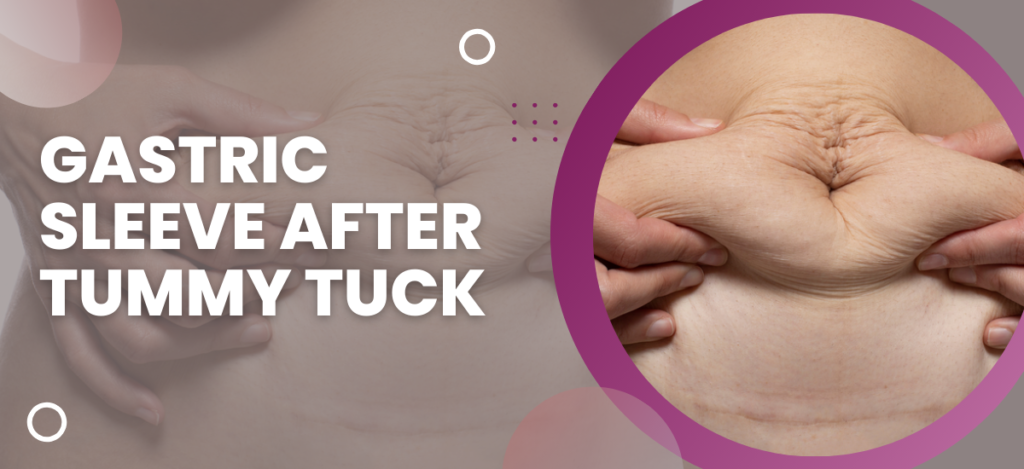
 Gastric sleeve surgery after a tummy tuck may be possible in medically suitable individuals, but previous abdominal surgery can make the procedure more technically challenging. Healing, abdominal wall scarring, nutritional status and the reason for considering weight-loss surgery must be assessed before proceeding.
A tummy tuck, or abdominoplasty, removes excess abdominal skin and may repair separated abdominal muscles. Gastric sleeve surgery, also called sleeve gastrectomy, reduces stomach size to help manage obesity and related metabolic conditions.
These procedures serve different purposes. Having a tummy tuck does not automatically make someone eligible for gastric sleeve surgery.
This article explains when sleeve gastrectomy may be considered after abdominoplasty, how previous surgery affects planning, possible complications and recovery.
What Is Gastric Sleeve Surgery?
Sleeve gastrectomy is a metabolic and bariatric procedure in which approximately 80% of the stomach is surgically removed.
The remaining stomach forms a narrower, tube-shaped structure.
This changes the amount of food the stomach can accommodate and influences appetite-related hormonal signals.
The procedure is usually performed laparoscopically through small abdominal incisions, although an alternative surgical approach may occasionally be necessary.
Unlike a tummy tuck, sleeve gastrectomy changes the digestive system and requires long-term nutritional monitoring.
It is not a cosmetic procedure or a substitute for abdominal skin removal.
Can You Have Gastric Sleeve Surgery After a Tummy Tuck?
Yes. Previous abdominoplasty does not automatically rule out sleeve gastrectomy.
However, a tummy tuck may alter the tissues through which laparoscopic instruments are introduced.
Abdominal Wall Tightening
A previous tummy tuck may involve tightening the abdominal muscles and surrounding connective tissues.
This can affect abdominal wall flexibility during laparoscopic surgery.
Scar Tissue
Previous surgery can create fibrosis and tissue adherence.
These changes may make instrument access more difficult.
Changes in Anatomical Landmarks
Abdominoplasty may reposition the belly button or change the apparent location of abdominal structures.
The bariatric surgeon may need to plan instrument entry sites differently.
A published report describing two bariatric operations after previous abdominoplasty identified abdominal fibrosis, altered landmarks and difficulty creating adequate working space as technical concerns.
These observations show that surgery can be feasible, but the evidence from two cases cannot establish a complication rate or guarantee safety for every patient.
Who May Be Suitable for Gastric Sleeve Surgery?
Eligibility depends on obesity severity, related health conditions, previous treatment and individual surgical risks.
The 2022 ASMBS/IFSO guidelines recommend metabolic and bariatric surgery for many people with a BMI of at least 35 kg/m² and support considering surgery in selected people with lower BMI and metabolic disease.
The guidelines also recognise that BMI thresholds should be adjusted for Asian populations.
However, BMI alone does not determine whether sleeve gastrectomy is appropriate.
An individual assessment considers obesity-related illnesses, nutritional health, previous surgical history and the likely benefits and risks.
When Surgery May Need to Be Postponed
A bariatric surgeon may recommend further evaluation or postponement when there is incomplete healing from abdominoplasty, active infection, unresolved abdominal complications, significant nutritional deficiency or another uncontrolled medical condition.
Severe reflux disease may also influence whether sleeve gastrectomy is preferable to an alternative bariatric procedure.
How Long Should You Wait Between a Tummy Tuck and Gastric Sleeve?
There is no single waiting period suitable for everyone.
The timing depends on how fully the abdominal tissues have healed and whether the person is medically prepared for bariatric surgery.
Early Recovery
During the first weeks after abdominoplasty, swelling, wound healing and activity limitations may still be significant.
Further elective surgery during this period requires careful consideration.
For information about early healing, read what to expect three weeks after a tummy tuck.
Several Months After Surgery
Abdominal tissues continue remodelling for months.
A surgeon may assess whether wounds have healed, swelling has settled and abdominal wall movement is sufficient.
Long-Term Interval
Gastric sleeve surgery may also be considered years after abdominoplasty.
However, previous scars and altered tissue anatomy remain relevant even after complete healing.
The appropriate timing should be determined by the bariatric surgical team.
Gastric Sleeve vs. Tummy Tuck: What Is the Difference?
| Feature | Gastric sleeve | Tummy tuck |
|---|---|---|
| Medical name | Sleeve gastrectomy | Abdominoplasty |
| Main purpose | Treat selected cases of obesity and metabolic disease | Remove excess abdominal skin and address selected abdominal wall changes |
| Main anatomical change | Removes a substantial portion of the stomach | Removes and repositions abdominal skin; may repair muscle separation |
| Effect on weight | Can produce substantial weight loss | Not an obesity treatment |
| Effect on loose skin | Does not remove excess abdominal skin | Removes selected excess skin |
| Nutritional follow-up | Requires long-term monitoring and supplementation | Depends on overall health and postoperative needs |
| Main long-term considerations | Nutrition, reflux, weight change and metabolic health | Scars, skin contour and abdominal wall changes |
The procedures are not interchangeable, and one does not automatically replace the need for the other.
What Are the Risks of Gastric Sleeve After a Tummy Tuck?
Sleeve gastrectomy carries the recognised risks of major abdominal surgery. Previous abdominoplasty adds planning considerations, particularly for laparoscopic access.
- Bleeding and Infection
Bleeding or infection can occur during or after surgery.
- Staple-Line Leak
A leak from the surgically closed stomach can cause a serious abdominal infection and may require urgent intervention.
- Blood Clots
Deep vein thrombosis and pulmonary embolism are potentially serious surgical complications.
- Gastroesophageal Reflux
Sleeve gastrectomy may worsen existing acid reflux or cause new reflux symptoms.
- Nutritional Deficiencies
Reduced food intake can contribute to inadequate protein or micronutrient intake. Long-term nutritional monitoring is necessary.
- Abdominal Access Difficulties
Prior abdominal wall tightening and scarring may complicate laparoscopic instrument placement.
- Weight Regain
Weight regain can occur over time. Sleeve gastrectomy does not guarantee lifelong maintenance of a specific weight.
Risk varies according to the individual’s health, previous surgery and the bariatric procedure.
How Is Someone Evaluated Before Surgery?
A bariatric surgical team may review the person’s weight history, medical conditions, previous abdominal procedures and current nutritional status.
