
How to Reduce Hair Fall for Men: Causes, Remedies & Best Treatments in India
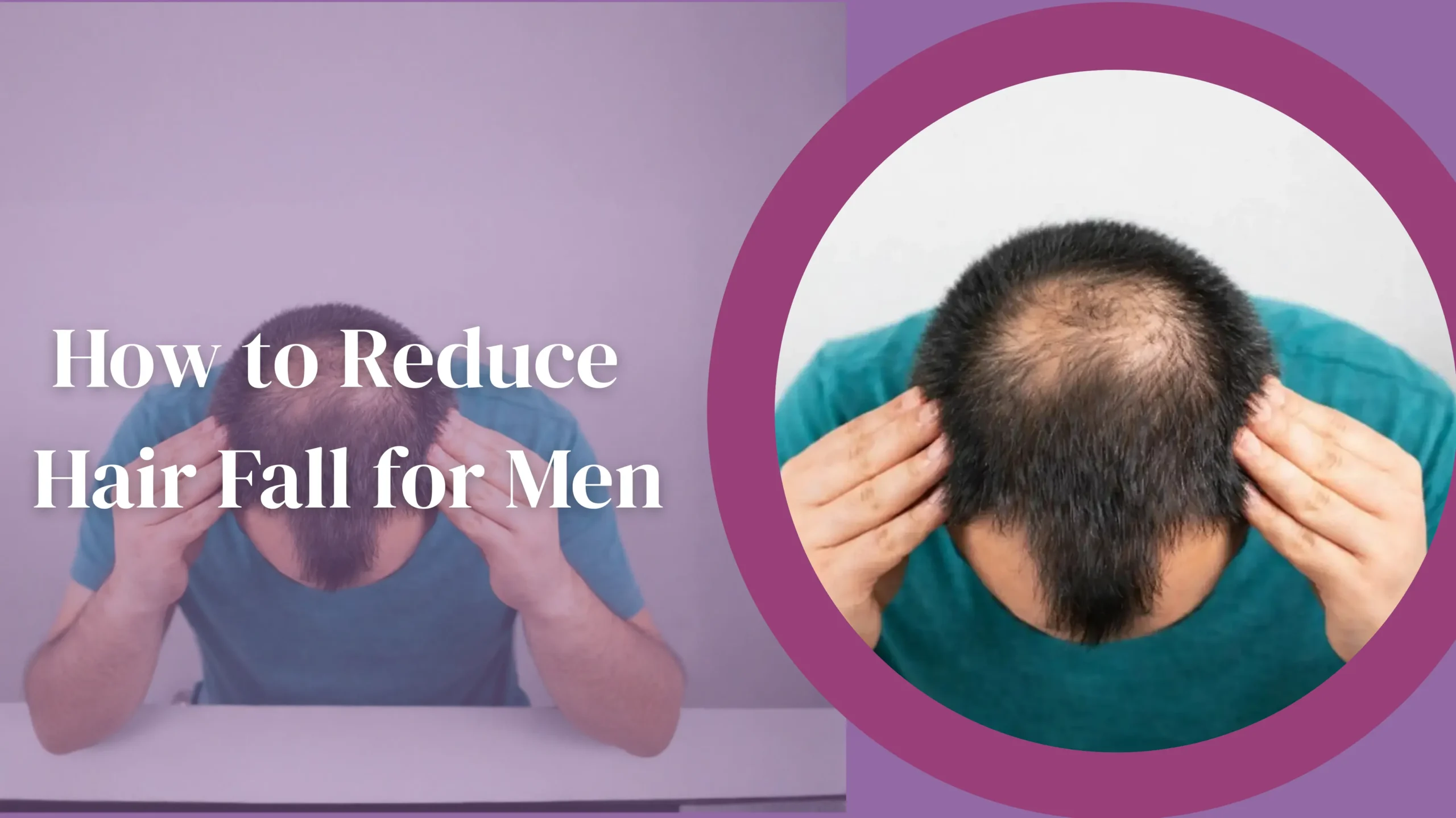
Hair fall treatment for men depends on the underlying cause of hair loss. Common causes include male pattern baldness, stress-related shedding, nutritional deficiencies, scalp disorders and certain medical conditions. Treatments such as minoxidil and finasteride may help selected men with hereditary hair loss, while other types require different management.
Losing some hair every day is a normal part of the hair-growth cycle. However, progressive thinning, visible bald patches or excessive shedding may indicate a condition that requires evaluation.
Understanding the cause of hair loss is important before starting medicines, supplements or procedures.
What Causes Hair Fall in Men?
Hair loss may develop gradually or occur suddenly, depending on the underlying condition.
1. Male Pattern Hair Loss
Male pattern hair loss, medically called androgenetic alopecia, is a common cause of progressive thinning in men.
It is associated with genetic susceptibility and the effects of dihydrotestosterone (DHT) on certain hair follicles.
Common signs include:
Receding frontal hairline
Thinning around the temples
Reduced hair density at the crown
Gradual progression over several years
The extent and progression of hair loss vary between individuals.
2. Telogen Effluvium
Telogen effluvium causes increased shedding when more follicles enter the resting phase of the hair-growth cycle.
Possible triggers include significant illness, surgery, rapid weight loss, nutritional deficiency and certain medications.
Hair growth may recover after the underlying trigger resolves.
3. Nutritional Deficiencies
Inadequate protein intake or deficiencies in certain nutrients may contribute to hair shedding.
However, supplements are not automatically beneficial for everyone with hair loss.
4. Scalp Conditions
Fungal infections, inflammatory skin conditions and other scalp disorders can contribute to shedding or hair breakage.
Symptoms may include itching, redness, scaling or discomfort.
5. Alopecia Areata
Alopecia areata is an immune-mediated condition that can cause round or oval patches of hair loss.
Its treatment differs from that of male pattern baldness.
6. Traction Alopecia
Repeated tension from tight hairstyles, braids or extensions can damage hair follicles.
Early traction-related hair loss may improve after the tension stops. Long-standing cases can lead to permanent scarring.
Related reading: Traction Alopecia Treatment: Causes and Prevention.
How Can Men Identify Different Hair Loss Patterns?
The pattern of thinning can provide useful clues, but it does not establish a diagnosis on its own.
| Hair loss pattern | Possible cause | Important consideration |
|---|---|---|
| Receding hairline | Male pattern hair loss | Usually develops gradually |
| Crown thinning | Androgenetic alopecia | May progress over time |
| Sudden diffuse shedding | Telogen effluvium | Recent illness or physiological stress may contribute |
| Round bald patches | Alopecia areata or another condition | Dermatological assessment is recommended |
| Red, itchy or scaly scalp | Scalp inflammation or infection | Cause-specific treatment may be required |
| Hair loss around tightly pulled areas | Traction alopecia | Removing tension is important |
A dermatologist can help distinguish these conditions.
How Is Hair Fall Diagnosed in Men?
A medical evaluation may include a history, scalp examination and selected investigations.
 Medical History
 Medical History
The clinician may review:
Age when hair loss began
Family history
Pattern and duration of shedding
Recent illnesses or weight changes
Diet and nutritional status
Current medications
Scalp symptoms
Scalp Examination
The scalp is examined for hair density, follicle changes, redness, scaling, broken hairs and scarring.
Trichoscopy
Trichoscopy allows closer examination of the scalp and hair follicles using magnification.
Blood Tests
When indicated, investigations may include a complete blood count, iron studies, thyroid function or selected nutritional tests.
Not everyone with male pattern hair loss requires blood tests.
For more information about diagnostic assessment, see the American Academy of Dermatology’s guidance on hair loss diagnosis and treatment.
What Are the Treatment Options for Hair Fall in Men?
The appropriate treatment depends on the diagnosis, medical history and expected benefits and risks.
1. Topical Minoxidil
Topical minoxidil is an established treatment for male pattern hair loss.
It may help reduce progressive thinning and support growth in some affected follicles.
Important considerations:
Improvement takes several months.
Some men experience limited benefit or no noticeable response.
Scalp irritation, itching or unwanted hair growth may occur.
Temporary increased shedding may occur after starting treatment.
Continued use is generally necessary to maintain benefits.
Minoxidil cannot guarantee complete restoration of lost hair.
2. Finasteride
Finasteride is a prescription medication used to treat male pattern hair loss.
It reduces DHT production, helping limit hormone-related follicular miniaturisation.
Potential adverse effects include:
Reduced sexual desire
Erectile or ejaculation problems
Breast tenderness or enlargement
Mood changes, including depression
Suicidal thoughts have also been reported. New or concerning mood symptoms require prompt medical attention.
The potential benefits, contraindications and adverse effects should be discussed before treatment.
Finasteride should be used only under appropriate medical supervision.
3. Treatment of Nutritional Deficiencies
When a relevant deficiency is identified, a clinician may recommend dietary changes or supplementation.
Examples include correction of iron deficiency or inadequate protein intake.
Unnecessary high-dose vitamins, biotin or mineral supplements should not be presented as reliable hair-regrowth treatments.
4. Treatment of Scalp Disorders
Hair shedding caused by a fungal infection, inflammatory condition or other scalp disorder may require cause-specific medicines.
The treatment depends on the diagnosis.
5. Platelet-Rich Plasma (PRP)
PRP involves processing a sample of the individual’s blood to obtain platelet-rich plasma, which is then injected into selected scalp areas.
Some studies suggest potential benefits in androgenetic alopecia.
However, the evidence remains variable because treatment protocols, preparation methods and research quality differ.
PRP is not an established replacement for standard medical treatments and cannot guarantee regrowth.
Possible adverse effects include injection-site pain, swelling, bruising and infection.
6. Low-Level Light Therapy
Certain low-level light devices have been studied for male pattern hair loss.
Some individuals may experience modest improvements, but effectiveness varies by device, treatment schedule and individual response.
These devices should not be described as guaranteed hair-restoration solutions.
7. Hair Transplantation
Hair transplantation involves relocating selected hair follicles from a donor area to regions affected by hair loss.
Common techniques include:
FUE (Follicular Unit Extraction): Individual follicular units are harvested, leaving small extraction scars.
FUT (Follicular Unit Transplantation): A strip of scalp is removed and divided into follicular units, leaving a linear donor scar.
Hair transplantation may be considered for selected individuals with stable or appropriately managed hair loss.
Important limitations include limited donor hair availability, permanent scarring, possible graft failure and ongoing loss of non-transplanted hair.
A transplant does not stop genetic hair-loss progression.
Related reading: Hair Transplant Donor Area: Graft Assessment and Planning.
Hair Fall Treatment for Men: Comparison Table
| Treatment | Main purpose | Limitations |
|---|---|---|
| Topical minoxidil | Support growth in male pattern hair loss | Benefits vary and require continued use |
| Finasteride | Reduce DHT-related progression | Prescription medicine with possible adverse effects |
| Nutritional correction | Address confirmed deficiencies | Helpful when a relevant deficiency exists |
| PRP | Potential additional treatment in selected cases | Evidence and response vary |
| Low-level light therapy | May support hair growth in some individuals | Device-dependent effectiveness |
| Hair transplantation | Redistribute existing follicles | Surgical risks and limited donor supply |
| Gentle scalp care | Reduce breakage and additional damage | Does not reverse genetic baldness |
No single treatment is suitable for every form of hair loss.
How Long Does Hair Fall Treatment Take to Work?
Hair growth occurs slowly, so treatment response cannot usually be assessed within a few days or weeks.
| Treatment | Approximate time for assessment |
|---|---|
| Topical minoxidil | Around 6–12 months |
| Finasteride | Commonly around 6–12 months |
| Telogen effluvium | Often improves over several months after the trigger resolves |
| PRP | Response varies; no standard guaranteed timeline |
| Low-level light therapy | Depends on device and treatment protocol |
| Hair transplantation | New growth may become noticeable after several months; maturation takes longer |
These estimates are general and not guaranteed.
Stopping minoxidil or finasteride may result in a gradual loss of maintained treatment benefits.
Can Home Remedies Stop Hair Fall in Men?
Hair oils and gentle conditioners may help reduce dryness and hair-shaft breakage.
However, there is insufficient reliable evidence that castor oil, onion juice, bhringraj oil, aloe vera or scalp massage can reverse hereditary male pattern hair loss.
Some herbal preparations may also irritate the scalp or cause allergic reactions.
Balanced nutrition supports general health, but dietary measures alone cannot reliably prevent androgenetic alopecia.
 How to Reduce Hair Fall in Men: Hair and Scalp Care Checklist
 How to Reduce Hair Fall in Men: Hair and Scalp Care Checklist
Simple hair-care practices may help reduce avoidable damage while the underlying cause is assessed.
Identify the cause: Distinguish hereditary thinning from temporary shedding.
Maintain balanced nutrition: Include adequate protein and essential nutrients.
Avoid unnecessary supplements: Use vitamins or minerals only when indicated.
Use gentle hair care: Avoid rough brushing and aggressive chemical treatments.
Limit excessive heat styling: High temperatures can damage hair shafts.
Avoid tight hairstyles: Reduce repeated tension on hair follicles.
Monitor scalp symptoms: Watch for itching, scaling, inflammation or pain.
Follow prescribed medication guidance: Discuss adverse effects with a clinician.
Track progression: Observe changes in the hairline, crown or overall density.
Seek medical assessment: Persistent, sudden or progressive hair loss should be evaluated.
These steps can support scalp and hair health but cannot guarantee that genetic hair loss will stop.
When Should Men See a Dermatologist for Hair Loss?
Medical evaluation is appropriate when hair loss becomes persistent, progressive or unusual.
Seek assessment particularly for:
Sudden or rapidly increasing shedding
Round or irregular bald patches
Scalp redness, pain or persistent itching
Noticeable hairline recession or crown thinning
Hair loss after significant illness or weight loss
Scalp scarring or loss of visible follicle openings
Early diagnosis may help identify conditions that require specific treatment.
For more background on hereditary thinning, read Male Pattern Baldness: Causes and Treatment Options.