
Facial Fat Grafting vs Dermal Fillers: Which Is Better for Volume Loss?

Otoplasty in Navi Mumbai: Scars, Recovery & Natural Results
September 22, 2026
Plastic Surgery in Navi Mumbai: 7 Essential Questions to Ask
September 24, 2026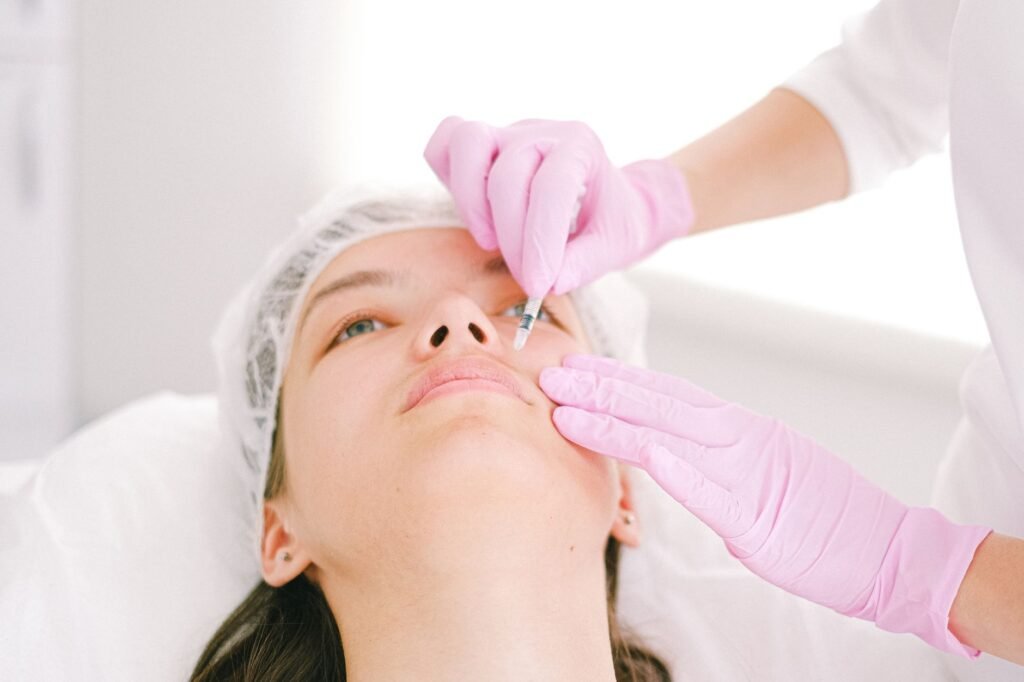
When the youthful fullness of the cheeks, temples, or under‑eye area begins to fade, many patients wonder whether to choose facial fat grafting or dermal fillers. Both techniques restore lost volume, but they differ dramatically in how they work, how long results last, and what the recovery looks like. This guide breaks down the science, costs, and candidate suitability so you can decide which option aligns with your aesthetic goals.
Understanding Facial Volume Loss
Age‑related volume loss starts in the mid‑20s and accelerates after the 40s. Fat cells shrink, collagen production drops, and bone resorption reshapes the facial skeleton. The result is a sunken, gaunt appearance that precedes deeper wrinkles and skin laxity. Restoring volume early can prevent the cascade of aging changes and give a more natural, refreshed look.
What Is Facial Fat Grafting?
Facial fat grafting, also called autologous fat transfer, harvests fat from a donor site (often the abdomen or thighs) via liposuction, purifies the cells, and injects them into targeted facial zones. Because the tissue comes from your own body, the graft is biocompatible and can integrate with existing structures.
Longevity and Natural Results
According to clinical insights on fat grafting versus fillers, the transplanted fat can survive long‑term, with studies showing 30‑70% of the graft remaining after one year. The result feels and moves like native tissue, making it ideal for large‑area volumization such as the cheeks, temples, and jawline.
Procedure Overview
- Consultation and marking of donor and recipient sites.
- Liposuction under local or mild sedation to extract fat.
- Processing the fat to remove oil and blood.
- Micro‑injection of purified fat into the face.
- Typical session lasts 2–3 hours.
Recovery includes mild swelling and bruising for about a week, with most patients returning to normal activities within 5‑7 days.
What Are Dermal Fillers?
Dermal fillers are injectable gels—most commonly hyaluronic acid (HA)—that add volume and smooth lines. They come in a spectrum of viscosities, allowing clinicians to target fine lines, moderate folds, or deeper volumetric deficits.
Quick Results and Flexibility
Fillers provide immediate lift, often visible within minutes. Because HA is reversible with hyaluronidase, adjustments are possible if the outcome isn’t perfect. This makes fillers a popular choice for patients seeking a non‑surgical, low‑downtime solution.
Procedure Overview
- Assessment of facial anatomy and discussion of desired outcome.
- Application of a topical anesthetic or a brief injection of lidocaine.
- Strategic placement of filler using fine needles or cannulas.
- Massage and molding of the product for even distribution.
- Typical session lasts 15‑45 minutes.
Most patients experience minimal swelling and can resume normal activities the same day.
Direct Comparison: Fat Grafting vs. Fillers

The decision often hinges on five key factors. Below is a side‑by‑side look:
| Factor | Facial Fat Grafting | Dermal Fillers |
|---|---|---|
| Durability | 30‑70% graft survival after 12 months; results can last 5‑10 years. | HA fillers typically last 6‑18 months; other fillers up to 2 years. |
| Cost | Higher upfront cost (procedure, anesthesia, facility fees). | Lower per‑session cost but recurring expenses. |
| Downtime | ~1 week of mild swelling/bruising. | Same‑day recovery; mild swelling resolves in 2‑3 days. |
| Customization | Can treat large volumes and multiple layers simultaneously. | Excellent for precise, localized corrections. |
| Risk Profile | Involves liposuction; potential for fat resorption or cyst formation. | Rare allergic reactions; reversible with hyaluronidase. |
These differences are echoed in a cost‑analysis study from Orange County, which found that while fillers are cheaper per visit, the cumulative expense over five years can approach that of a single fat grafting session Long‑Term Results and Cost Analysis.
Who Is the Ideal Candidate for Each?
Fat Grafting Candidates: Individuals with moderate to severe volume loss, desire for a natural feel, and willingness to undergo a minor surgical procedure. Ideal for patients who want lasting results and have sufficient donor fat.
Filler Candidates: Those seeking quick, subtle enhancements, or who prefer to avoid surgery. Fillers work well for fine lines, mild hollowness, and patients who want the flexibility to adjust volume over time.
Safety, Risks, and Recovery
Both treatments are FDA‑approved when performed by qualified professionals. Fat grafting carries the added considerations of liposuction—possible contour irregularities at the donor site and a small risk of infection. Fillers, especially HA, have an excellent safety record; the most common side effects are temporary bruising and swelling. Rare complications include vascular occlusion, which underscores the importance of choosing an experienced facial cosmetic surgeon.
Cost Considerations and Long‑Term Value
In 2024, the American Society of Plastic Surgeons reported approximately 5.33 million HA filler procedures nationwide, compared with about 34,000 fat grafting cases national statistics. While fillers dominate in volume due to lower entry cost, the durability of fat grafting can make it more cost‑effective for patients who need extensive rejuvenation. A single fat transfer may cost between $5,000‑$8,000, whereas annual filler maintenance can total $3,000‑$6,000 depending on product choice.
Making the Decision in Navi Mumbai
If you live in Navi Mumbai, you have access to board‑certified surgeons who specialize in both techniques. Many clinics combine the two approaches—using fillers for fine‑tune adjustments after a foundational fat graft. For a deeper dive into facial balance and how fillers compare to implants, see our article on Chin Implant vs Chin Filler. If you’re curious about how fat removal elsewhere can affect facial aesthetics, the discussion in Buccal Fat Removal vs Facial Liposuction provides useful context.
Schedule a consultation to evaluate your facial anatomy, discuss your aesthetic goals, and receive a personalized treatment plan that may incorporate one or both modalities.
Frequently Asked Questions
Fat grafts can survive 30‑70% after one year, providing natural volume that may last 5‑10 years, depending on individual metabolism and technique.
Yes, many surgeons use fillers for fine‑tuning after a fat transfer, allowing patients to enjoy both long‑term volume and immediate, precise adjustments.
Fat grafting is performed under local anesthesia or mild sedation, so discomfort is minimal during the procedure, with only mild soreness during recovery.
Common side effects include bruising and swelling; rare complications involve vascular occlusion, which can be reversed with hyaluronidase when treated promptly
Fat grafting has a higher upfront cost, but over five years it can be comparable or cheaper than the cumulative expense of repeated filler sessions.
Deep cheek hollows often respond best to fat grafting because it can add substantial volume in multiple layers, whereas fillers may require several sessions.
Conclusion
Both facial fat grafting and dermal fillers effectively restore lost volume, but they serve different needs. Choose fat grafting for lasting, natural results in moderate to severe deflation, and opt for fillers when you want quick, adjustable enhancements with minimal downtime. Consulting a qualified surgeon in Navi Mumbai will help you tailor the right approach for your unique facial rejuvenation goals.
