
Postpartum Hair Loss 2 Years Later- An Overview
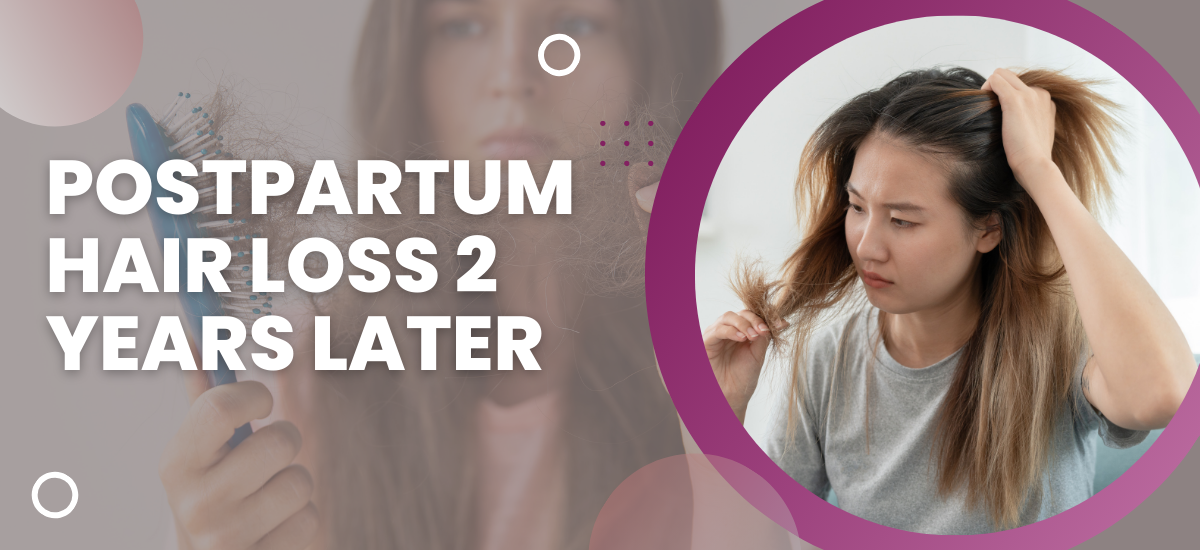
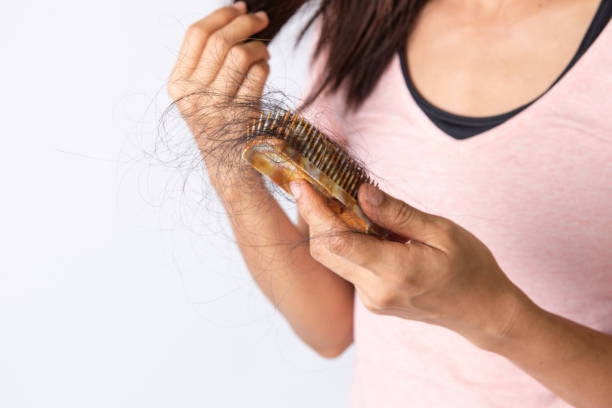 Postpartum hair loss two years after childbirth is not the usual pattern of temporary shedding associated with pregnancy. Most pregnancy-related hair shedding improves within the first year. When hair loss continues or develops again after two years, iron deficiency, thyroid disorders, female pattern hair loss or other causes should be considered.
Postpartum hair loss is commonly caused by telogen effluvium, a temporary change in the hair-growth cycle following childbirth.
Although this early shedding usually resolves naturally, persistent thinning should not automatically be considered normal postpartum recovery.
Understanding the underlying cause is essential before considering treatment.
Is Hair Loss Normal 2 Years After Childbirth?
Temporary hair shedding is common after childbirth because pregnancy-related hormone changes influence the hair-growth cycle.
However, significant hair shedding two years later is beyond the usual postpartum recovery period.
This does not necessarily indicate a serious illness, but persistent or progressive hair loss should be medically assessed.
For comparison, read postpartum hair loss after one year: causes and recovery.
What Causes Hair Loss 2 Years After Pregnancy?
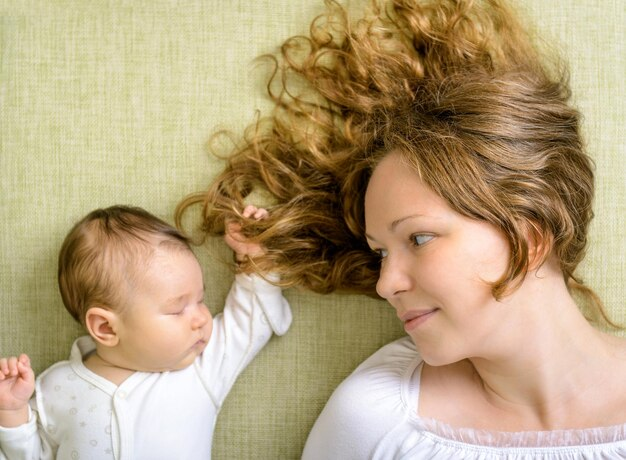 Several conditions may contribute to prolonged or new hair loss.
1. Iron Deficiency
Low iron stores, with or without anaemia, may contribute to diffuse hair shedding in some individuals.
A clinician may recommend blood investigations when deficiency is suspected.
2. Thyroid Disorders
Thyroid dysfunction can affect normal hair growth.
Symptoms such as fatigue, unexplained weight changes or changes in temperature tolerance may suggest the need for thyroid assessment.
3. Female Pattern Hair Loss
Female pattern hair loss is a progressive condition that may cause widening of the central hair part and reduced hair density over the crown.
Pregnancy-related shedding may make previously unnoticed pattern hair loss more visible.
4. Chronic or Recurrent Telogen Effluvium
Illness, major stress, restrictive dieting, rapid weight loss or certain medicines can trigger repeated episodes of hair shedding.
5. Nutritional Deficiencies
Inadequate protein intake or selected vitamin and mineral deficiencies may contribute to hair-growth problems.
However, unnecessary supplementation does not reliably improve hair growth.
6. Hormonal Conditions
Conditions such as polycystic ovary syndrome (PCOS) may contribute to scalp thinning, particularly when accompanied by irregular periods, acne or increased facial hair.
7. Scalp Disorders
Inflammatory scalp conditions, alopecia areata and other dermatological problems may cause localized or diffuse hair loss.
Postpartum Hair Loss Recovery Timeline
The typical pattern of postpartum hair shedding differs from persistent hair loss occurring years after delivery.
| Time after childbirth | Typical observations |
|---|---|
| 0–2 months | Hair growth may still appear relatively full |
| 2–4 months | Increased shedding may begin |
| 4–6 months | Shedding is often most noticeable |
| 6–9 months | Shedding commonly begins improving |
| 9–12 months | Many individuals regain their usual hair fullness |
| After 12 months | Persistent thinning may warrant assessment |
| After 24 months | Ongoing or new hair loss should be evaluated for other causes |
These are approximate milestones. Individual experiences vary.
Does Breastfeeding Cause Hair Loss After 2 Years?
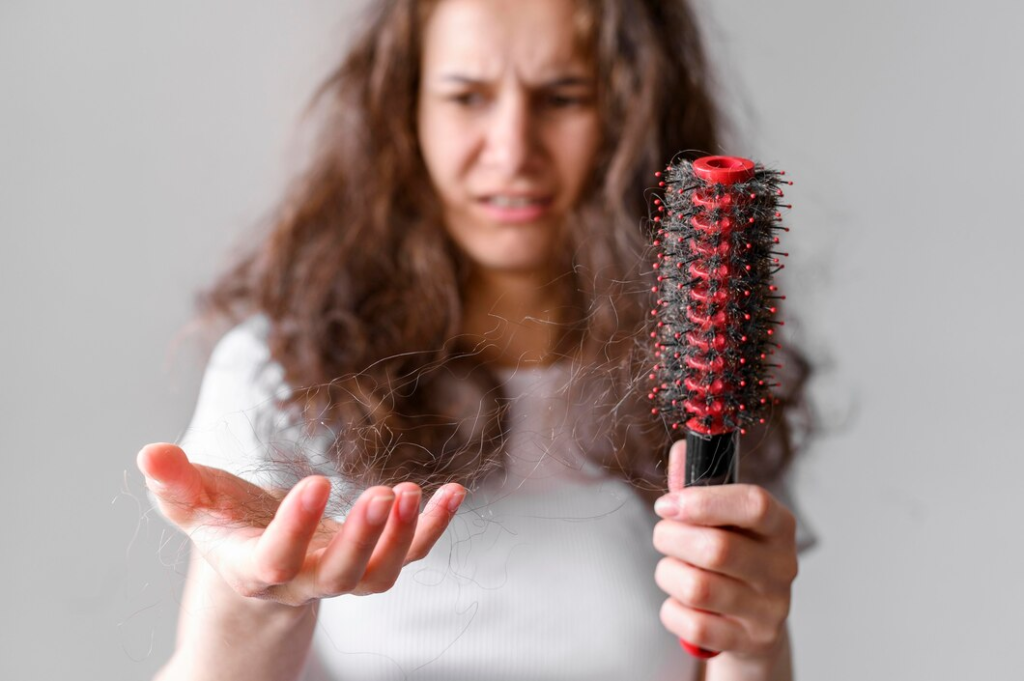 Breastfeeding is not established as a direct cause of persistent hair loss two years after childbirth.
Although hormonal changes, dietary factors and other health conditions may influence hair growth, prolonged shedding should not automatically be attributed to breastfeeding.
If thinning continues, assessment for iron deficiency, thyroid disease and other causes may be appropriate.
How Is Persistent Hair Loss Diagnosed?
A healthcare professional may begin by reviewing the pattern and duration of hair loss.
Medical History
The assessment may include pregnancy history, medications, diet, recent illness, weight changes, menstrual symptoms and family history.
Scalp Examination
The clinician checks for widening of the hair part, patchy loss, scalp inflammation, hair breakage and other abnormalities.
Blood Tests
Depending on clinical findings, investigations may include:
-
Complete blood count (CBC)
-
Ferritin or iron studies
-
Thyroid function tests
-
Selected nutritional or hormonal tests when indicated
Not everyone requires every test.
Additional Assessment
Trichoscopy or other dermatological investigations may be considered if the diagnosis remains unclear.
For additional background, see female hair loss: causes and treatment considerations.
What Treatment Options Are Available?
Treatment depends on the diagnosis rather than the length of time since childbirth.
Correcting Nutritional Deficiency
If iron deficiency or another nutritional problem is identified, appropriate dietary changes or medically recommended supplementation may help.
Treating Thyroid or Hormonal Conditions
Identified medical conditions should be managed according to the underlying diagnosis.
Minoxidil
Topical minoxidil may be considered for selected types of female hair loss, particularly female pattern hair loss.
Possible side effects include scalp irritation and unwanted facial hair growth.
Its use during pregnancy or breastfeeding requires specific medical advice and should not be started without professional guidance.
Gentle Hair Care
Avoiding tight hairstyles, excessive heat and aggressive chemical treatments can help reduce hair breakage and additional hair damage.
Other Treatments
Other medical or procedural approaches may be considered for selected diagnoses, but their effectiveness, risks and suitability vary.
PRP, laser-based treatments and hair transplantation should not be presented as routine solutions for postpartum shedding.
For a general explanation of the early postpartum condition, read when postpartum hair loss stops and how it is managed.
Hair and Scalp Care Checklist


Supportive care may help protect existing hair while the underlying cause is investigated.
-
Maintain adequate protein intake: Include balanced sources of protein in the diet.
-
Check for deficiencies when indicated: Avoid taking high-dose supplements without medical advice.
-
Use gentle hair care: Reduce pulling, excessive brushing and aggressive styling.
-
Avoid tight hairstyles: Repeated traction may contribute to additional hair loss.
-
Limit excessive heat: Frequent high-temperature styling can damage hair shafts.
-
Manage underlying conditions: Follow recommended treatment for identified medical problems.
-
Monitor changes: Note whether shedding is diffuse, patchy or progressively worsening.
-
Seek medical evaluation: Persistent hair loss at two years deserves assessment.
These measures cannot guarantee regrowth. Improvement depends on the underlying cause.
When Should You Seek Medical Attention?
A dermatologist or appropriately qualified healthcare professional should evaluate persistent hair loss two years after childbirth, particularly when it is worsening.
Assessment is especially important when hair loss occurs with patchy bald areas, scalp redness, pain, scaling, unusual fatigue, menstrual changes or unexplained weight fluctuations.
Early diagnosis can help distinguish treatable shedding from progressive or potentially scarring hair-loss conditions.