
Beard Transplant After 10 Days – Overview
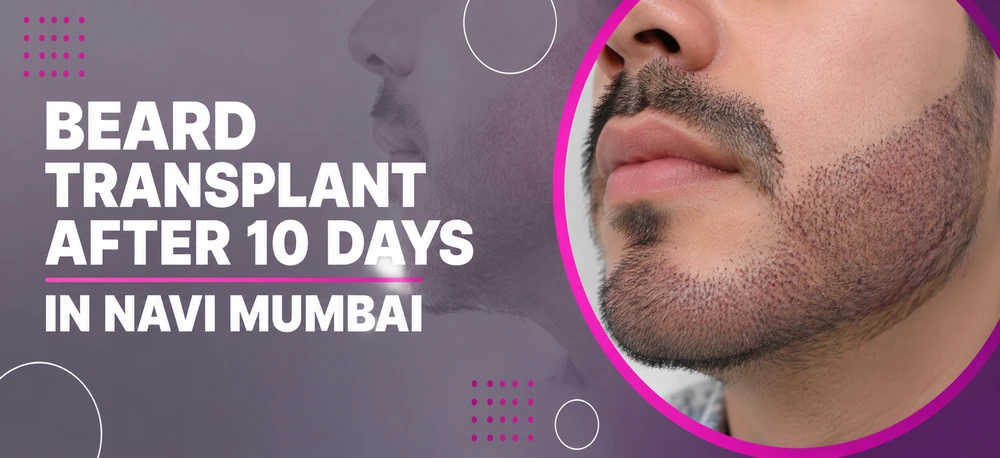
At 10 days after a beard transplant, most initial swelling and discomfort should be improving, and small crusts around the transplanted follicles may have loosened or fallen away. Mild redness, itching or sensitivity can still occur. However, the transplanted beard has not completed its growth cycle, and the final result cannot be assessed at this stage.
A beard transplant involves moving hair follicles, usually from the scalp, into areas of the beard or moustache where hair coverage is limited.
The first ten days focus mainly on wound healing and protecting the transplanted area. Following the surgical team’s instructions is important because washing, shaving and activity restrictions may differ between individuals.
This article explains what to expect on day 10, how transplanted follicles heal, when beard shedding may begin and which symptoms require medical assessment.
What Happens 10 Days After a Beard Transplant?
By the tenth day, the recipient area is usually progressing through early skin healing.
Scabs May Be Falling Off
Small crusts develop around implanted follicles after surgery.
Many loosen within the first one to two weeks, although healing speed varies.
Scabs should not be forcibly picked or scratched away.
Swelling Usually Decreases
Facial swelling is more common during the first several days.
By day 10, it should generally have improved substantially.
Persistent or increasing swelling requires assessment.
Mild Redness May Remain
Some skin redness can persist as the small implantation sites heal.
Redness that spreads or becomes associated with increasing pain, warmth or discharge may indicate a complication.
Itching Can Occur
Mild itching may result from skin healing, dryness or irritation.
Avoid aggressive scratching, particularly if crusts or tenderness remain.
Transplanted Hair May Still Be Visible
Some transplanted hair shafts may remain visible at day 10.
However, the presence or absence of these shafts does not predict the final beard density.
Is Scabbing Normal After 10 Days?
Small scabs are common following beard transplantation.
They form as the skin heals around the tiny recipient sites.
By day 10, many scabs may have detached naturally. Some may remain for slightly longer.
Persistent scabs do not always indicate a complication, but they should not be forcibly removed.
What Should You Do If Scabs Remain?
Follow the washing and softening instructions provided by the treating surgeon.
Do not use fingernails, abrasive products or aggressive rubbing.
If scabs are accompanied by increasing redness, pain, discharge or unusual skin changes, medical assessment is appropriate.
Beard Transplant Recovery Timeline
Healing and beard growth occur in separate stages.
| Time after transplant | Common observations |
|---|---|
| Days 1–3 | Redness, small crusts, tenderness and possible facial swelling |
| Days 4–7 | Swelling may improve; scabs remain visible |
| Days 8–14 | Many scabs loosen or fall away; mild redness or itching may persist |
| Weeks 2–6 | Some transplanted hair shafts may begin shedding |
| Months 2–3 | Visible density may remain reduced during the resting phase |
| Months 3–4 | New hair growth may begin becoming noticeable |
| Months 6–12 | Beard coverage and hair characteristics may continue developing |
These are general estimates rather than fixed recovery milestones. Individual healing and final results vary.
The International Society of Hair Restoration Surgery (ISHRS) guide to beard transplantation explains the surgical techniques, expected crusting and the importance of individualized aftercare instructions.
Can Transplanted Beard Hair Fall Out After 10 Days?
Yes. Transplanted beard hair shafts may shed during the following weeks.
This is commonly associated with changes in the hair-growth cycle after transplantation.
The hair shaft may be released while the transplanted follicle remains beneath the skin.
This process is often described as postoperative shedding or shock loss.
However, shedding does not guarantee that every transplanted follicle will survive.
Does Shedding Mean the Transplant Failed?
Not necessarily.
It is too early to judge transplant success based on the appearance of hair at day 10 or during the first several weeks.
Visible new hair growth generally develops later.
For a related explanation of early transplant shedding, see what happens six weeks after a hair transplant.
Although scalp and beard transplantation involve different anatomical areas, they share some general follicular growth-cycle characteristics.
Can You Wash Your Face After 10 Days?
Gentle washing is often permitted by this stage when healing is uncomplicated.
However, instructions vary according to the surgical technique and condition of the skin.
Washing Considerations
Use the cleansing method recommended by the treating surgical team.
Avoid excessive friction, vigorous rubbing or aggressive exfoliation over the transplanted area.
A mild cleanser may be suitable when specifically permitted.
Pat the skin dry rather than rubbing it forcefully.
If significant scabbing or open areas remain, seek specific guidance before changing the washing routine.
Can You Shave 10 Days After a Beard Transplant?
Shaving should not be resumed solely because ten days have passed.
The appropriate timing depends on the healing of the recipient area and the instructions provided by the surgeon.
Electric Trimming
Some individuals may be permitted to begin careful trimming after adequate healing.
However, a trimmer can still cause friction or irritation if used directly over incompletely healed skin.
Razor Shaving
Close shaving places additional mechanical contact on the treated skin.
It may need to be postponed until the surgical team confirms that healing is sufficient.
Important Consideration
Do not forcibly remove remaining scabs or shave over inflamed, painful or damaged skin.
There is no universal shaving schedule suitable for every beard transplant patient.
What Side Effects May Occur After 10 Days?
Most symptoms should gradually improve as healing progresses.
However, certain effects may remain.
Mild Redness
Temporary redness can continue around implantation sites.
Folliculitis
Inflamed hair follicles may cause small red bumps or pustules.
Not every bump represents infection, but persistent or painful lesions should be evaluated.
Itching
Itching may occur during wound healing but should not be accompanied by worsening inflammation.
Uneven Appearance
The beard may appear patchy because of early shedding and differences in healing.
Temporary Numbness
Some individuals experience reduced or altered sensation around the treated area.
Scarring
Hair transplantation creates tiny recipient wounds and donor-site scars.
Their visibility depends on the technique, skin characteristics and healing response.
The main surgical risks include infection, bleeding, scarring, incomplete graft survival and an irregular hair-growth pattern.
The NHS guidance on hair transplantation describes the general surgical risks and the longer recovery period required before final results become visible.
Beard Transplant Aftercare Checklist

At day 10, aftercare should focus on protecting healing skin and avoiding unnecessary irritation.
-
Wash gently: Follow the recommended cleansing routine without aggressive rubbing.
-
Avoid scratching: Allow remaining crusts to loosen according to medical guidance.
-
Delay shaving if necessary: Resume trimming or razor use only when permitted.
-
Protect the skin from sunlight: Avoid unnecessary direct exposure while the area is healing.
-
Limit friction: Be cautious with face coverings, towels and grooming tools.
-
Follow medication instructions: Use prescribed medicines only as directed.
-
Resume exercise appropriately: Follow individualized advice regarding strenuous activity.
-
Monitor unusual symptoms: Increasing pain, redness, swelling or discharge requires assessment.
These measures support normal wound care but cannot guarantee graft survival or a particular final beard density.
When Will New Beard Growth Become Visible?
New beard growth usually takes several months to become noticeable.
After early shedding, follicles may remain in a resting phase before producing new hair shafts.
Some individuals begin noticing new hairs around months three to four.
Growth may initially be uneven or finer than expected.
Over subsequent months, the appearance of the beard may continue changing as hair grows and matures.
Final assessment is generally more meaningful many months after surgery than during the first two weeks.
For an explanation of why transplanted hair density may still be limited during early regrowth, read 5 months after hair transplant with low density.
The recovery pattern of facial hair is not identical to scalp hair, so timelines should be interpreted cautiously.
Who May Need Additional Follow-Up?
Routine follow-up is important after any hair-restoration procedure.
Earlier medical assessment may be necessary for individuals with delayed healing, persistent skin inflammation, underlying conditions affecting wound repair or unexpected changes in the treated area.
People with diabetes, immune-related conditions or medicines affecting healing may require individualized postoperative instructions.
The condition of the donor area also matters because follicular extraction creates permanent changes in the source region.
For general background on how donor follicles are evaluated and selected, see how the hair transplant donor area is assessed.
When Should You Contact a Doctor?
Seek medical assessment if you notice:
-
Increasing or severe facial pain
-
Worsening swelling after initial improvement
-
Spreading redness or warmth
-
Pus or unusual discharge
-
Fever
-
Persistent bleeding
-
Skin breakdown or unusual dark discoloration
-
Painful or repeated pustules
These findings should not be dismissed as ordinary beard transplant recovery.
Do not attempt to treat a suspected infection with unprescribed antibiotics, steroid creams or home remedies.
Frequently Asked Questions
1. Is scabbing normal 10 days after a beard transplant?
Yes. Small scabs may still remain around transplanted follicles. Many loosen during the first one to two weeks. Avoid forcibly removing them.
2. Can I wash my beard 10 days after transplantation?
Gentle washing is often permitted when healing is uncomplicated, but the correct technique should follow the treating surgeon's instructions.
3. Can I shave my beard after 10 days?
Not automatically. Shaving or trimming should resume only when the recipient skin has healed sufficiently and the surgical team confirms it is appropriate.
4. Is redness normal after 10 days?
Mild redness may remain during healing. However, increasing redness, warmth, pain or discharge should be medically assessed.
5. Will transplanted beard hair fall out after 10 days?
Some transplanted hair shafts may shed during the following weeks. This does not necessarily mean the underlying follicles have been lost.
6. When will I see new beard growth?
New hair may become noticeable after approximately three to four months, although the timing varies. Beard density and hair characteristics may continue changing for several more months.
7. When should I worry about beard transplant recovery?
Seek medical attention if you experience increasing pain, spreading redness, fever, persistent bleeding, pus, significant swelling or other unexpected symptoms.
Conclusion
At ten days after a beard transplant, the skin is generally moving through the early healing stage.
Swelling and tenderness should be improving, while some redness, itching or remaining scabs may still occur.
The visible transplanted hairs may later shed before new growth develops, so the final appearance cannot be evaluated at day 10.
Gentle cleansing, protection from unnecessary friction and individualized guidance on shaving and physical activity are important.
Any worsening symptoms should be assessed by a qualified healthcare professional rather than assumed to be part of ordinary healing.
Disclaimer: All content and visuals on this website are for educational and informational purposes only. Images may be AI-generated or illustrative. Individual treatment results may vary. This information does not replace professional medical advice, diagnosis or consultation